DATE: 2026/06/17

Lifting Robots

Lifting Robots Advanced Technology 

Lifting Robots

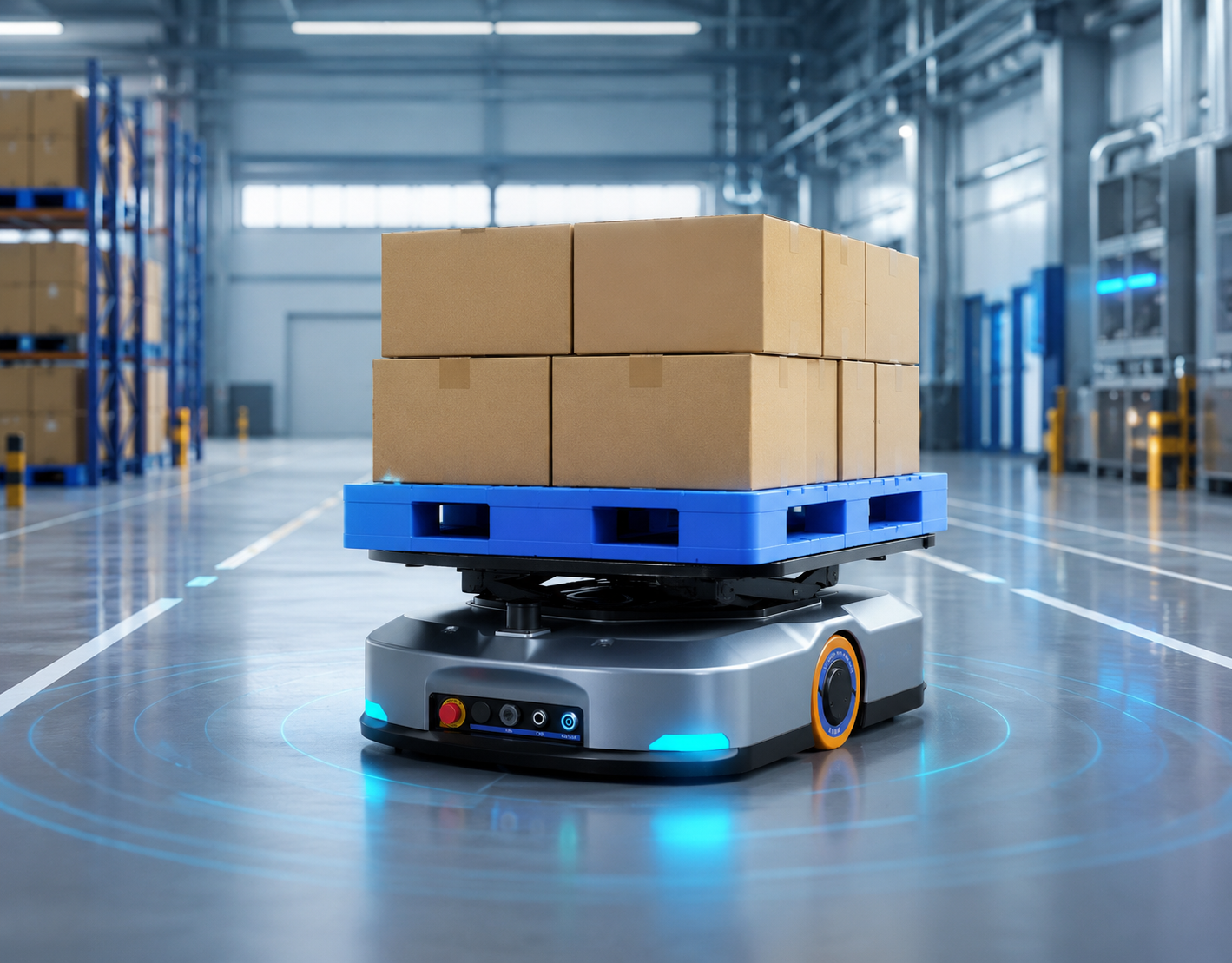
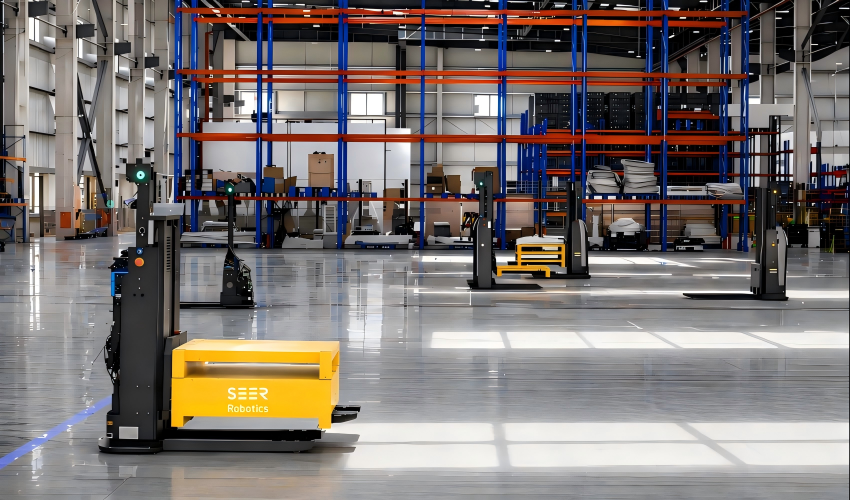
The lifting robot by SEER Robotics utilizes a self-developed intelligent control system and laser navigation technology to achieve efficient lifting and flexible transportation of materials in the workshop. As a source manufacturer in the field of intelligent mobile robots, SEER Robotics has independent core controller technology and production lines, eliminating middlemen, providing global customers with one-stop vehicle products, highly competitive ex-factory prices, and faster delivery speed.

The lifting robot is mainly used in the automatic handling of materials in the production line of automotive, 3C electronics, new energy, and semiconductor industries.

Rated load
1000 kg
Stop accuracy
error within 5mm
Jacking stroke
60mm
Lifting Robots

Lifting Robots Features

Autonomous core control system drive:
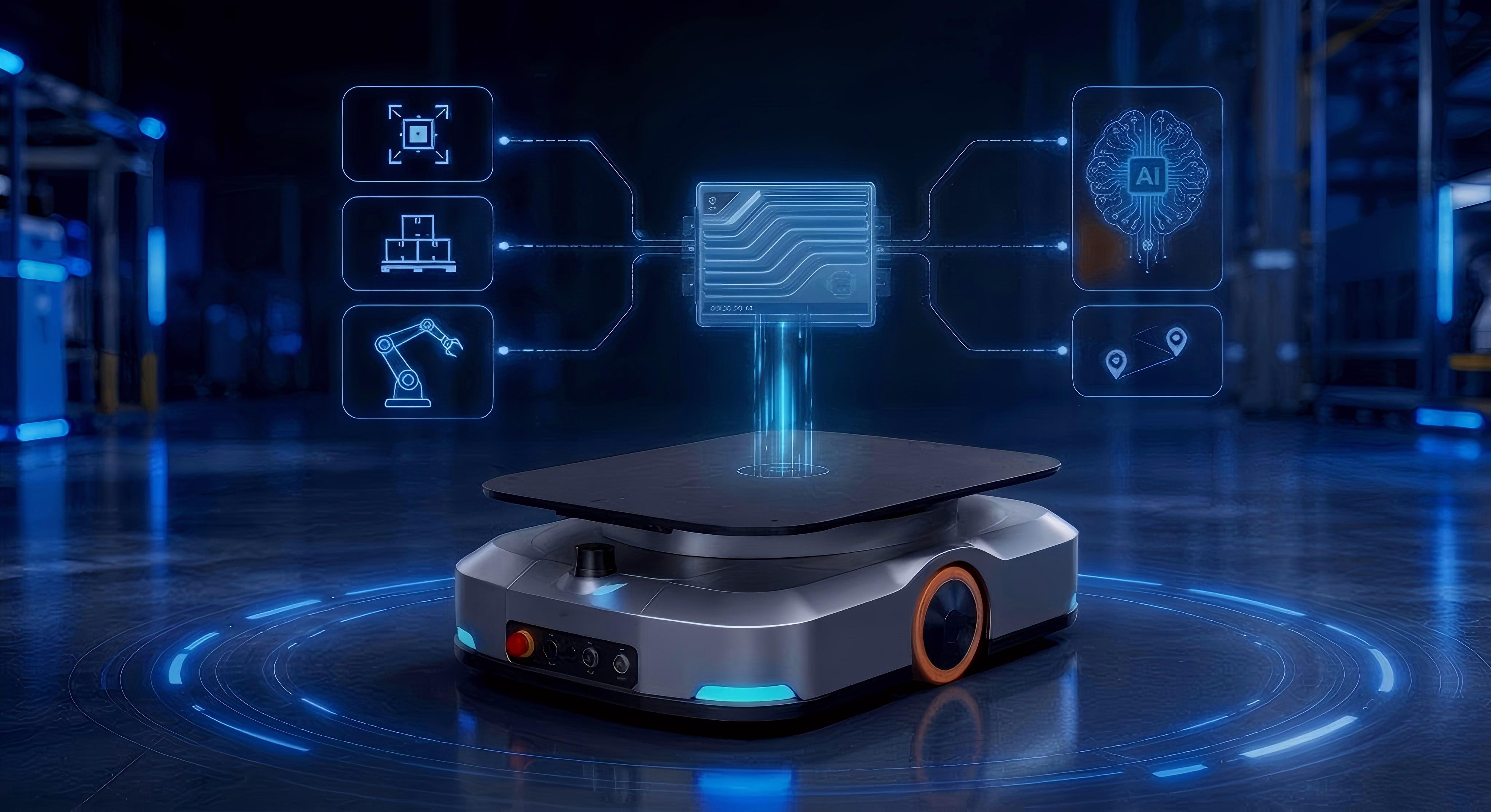
Built-in by SEER Robotics independent research and development of intelligent robot controllers, with a powerful algorithm base, support multi-sensor fusion, improve the stability of the robot, and field comprehensive execution efficiency.
Laser SLAM navigation environment-free modification:
Advanced laser natural contour navigation technology is adopted, with high-precision repeated positioning capability, no need to lay reflectors or two-dimensional codes on the floor of the workshop, realizing rapid map construction, and greatly shortening the on-site deployment and adjustment cycle.
High-precision docking ensures material safety:
The positioning and stopping accuracy of the robot can reach 5 mm, and the angle accuracy can reach 1°, which can realize high-precision and smooth docking with the roller track line, workbench, and shelf of the production line, effectively avoiding collision caused by docking deviation.
Dual LiDAR all-round safety protection:
The whole vehicle is equipped with dual safety LiDAR, a safety touch edge, an emergency stop button, and other safety detection components to realize 360-degree dynamic obstacle detection and comply with relevant safety standards, thus ensuring the safety of workshop personnel and equipment in real time in a complex environment.
Efficient lifting and wide shelf recognition:
Even if the one-sided distance is greater than or equal to 7 cm, the robot still supports large-scale shelf recognition, has automatic deviation correction capability, accurately drills under the shelf, and cooperates with the 60 mm lifting stroke to efficiently complete lifting and release manpower.
The fast charging technology has high flexible endurance:
It supports low-power automatic return to the charging pile for automatic charging and can be equipped with a 40A fast charging scheme, which can meet the strong endurance of 7 hours of full-load continuous operation after charging for 1 hour, ensuring uninterrupted operation of the factory workshop.
Detailed Structured Parameter Table for Lifting Robots
Physical and performance indicators Parameter details
Product core keywords Lifting Robots
Product Model AMB-1000JS / AMB-500JS
Navigation type Laser SLAM
Vehicle dimensions (length x width x height) 1330mm x 952mm x 290mm
Rotation Diameter 1460mm
Rated load 1000kg / 500kg
Lifting platform dimensions 1300mm x 920mm
Maximum lifting stroke 60mm
Minimum channel width 1092mm
Maximum running speed 1.5m/s
Navigation Position Accuracy ±5mm
Navigation angle accuracy ±1°
Battery voltage and capacity 48V / 40Ah
Safety protection components Dual-safe LiDAR and safety edge
Operating ambient temperature 0 degrees Celsius to 50 degrees Celsius

Lifting Robots Comparison Points.

SEER Robotics' lifting robot has higher hardware and software integration and open ecological advantages than traditional handling equipment of the same type. The product is equipped with the core control system known as the robot brain, breaking the compatibility limitation of the underlying software and hardware and cooperating with the one-stop system software while ensuring the highly flexible deployment of the whole vehicle, effectively reducing the upgrade threshold and maintenance cost of the later production line.

Lifting Robots Comparison
Eliminate multi-vehicle coordination conflicts in the workshop:
In the scene of multi-vehicle mixed operation, SEER Robotics' lifting robot cooperates with RDS robot management system to solve the problems of deadlock, crash and traffic congestion that are easy to occur when multi-device cooperative operation is carried out.
Adapt to dynamically changing environments:
In view of the complex workshop with frequent changes of on-site deposits and frequent movement of personnel, SEER Robotics' lifting robot solves the problem of frequent loss of standard and shutdown of traditional equipment due to environmental changes through double LiDAR panoramic scanning.
Butt joint of roller table across different heights:
In view of the problem of inconsistent height of front and rear roller table lines in the process flow, SEER Robotics' lifting robot solves the docking problem of high-frequency sub-non-standard transfer of semi-finished products between production lines through intelligent height adaptive adjustment mechanism.

Instructions For Using Lifting Robots

Start-up initialization and map building:
Press the main switch of the body power supply, and after starting the system, control the robot to drive slowly through a one-stop implementation tool so that LiDAR can scan the surrounding environment and automatically build a workshop map.
01
Task point and route configuration:
Import the established map in the system software interface, manually calibrate the positions of the jacking station, waiting area, and charging pile, and set the robot’s route according to the workshop logistics plan.
02
Call and execution of material shelf:
The lifting robot will automatically plan the path to the lower part of the designated shelf, automatically identify and correct deviation, and execute lifting through the on-site production line button, terminal equipment, or enterprise management system to issue handling instructions.
03
Daily maintenance and safety inspection:
Regularly use a clean, dust-free cloth to wipe the LiDAR transparent cover and obstacle avoidance camera lens, check the wear of the driving wheel, and ensure that the safety touch edge sensor and the emergency stop button are in a normal and sensitive state.
04

Lifting Robots For People

Purchasers of auto parts factories such as Volkswagen and FAW:

It is suitable for auto supply chain workshops that need to frequently transport heavy parts and stamping parts from warehouses to assembly production lines to assist management in reducing manual handling intensity and improving on-time assembly efficiency.

Automotive Industry
Technical leaders of 3C electronic manufacturing workshops such as Foxconn

Are suitable for electronic assembly production lines with limited space and high docking precision requirements, helping technicians to realize precision material handover and automatic loading and unloading of semi-finished products between various processes.

3C Electronics
BYD and other new energy battery production line logistics director:

Suitable for the delivery process requires high stability of the battery manufacturing enterprises to ensure that raw materials and battery modules in the delivery process are stable and do not occur violent vibration.

New Energy
Large-scale e-commerce and warehouse logistics managers:

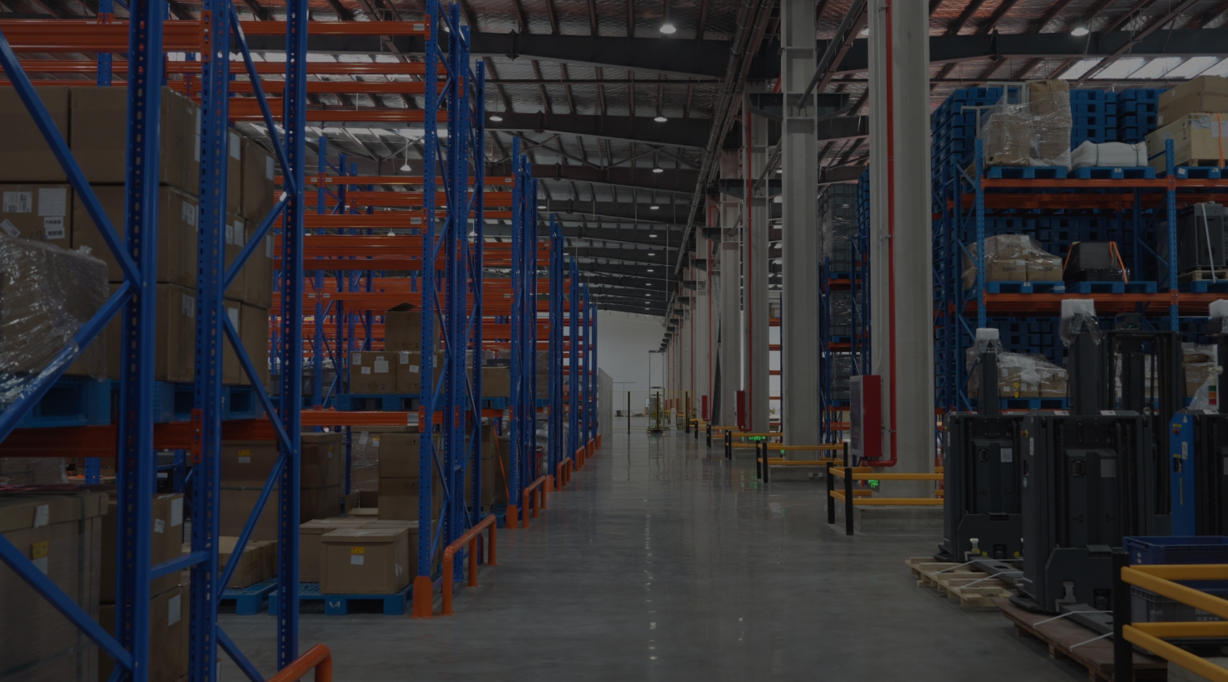
Suitable for modern distribution centers that need to perform pick-up, intensive storage, and shelf handling. Through a wide range of shelf identification and automatic correction functions, warehouse managers can improve the utilization rate of storage locations.

Warehouse Logistics

Certificates And Factories

Certificates

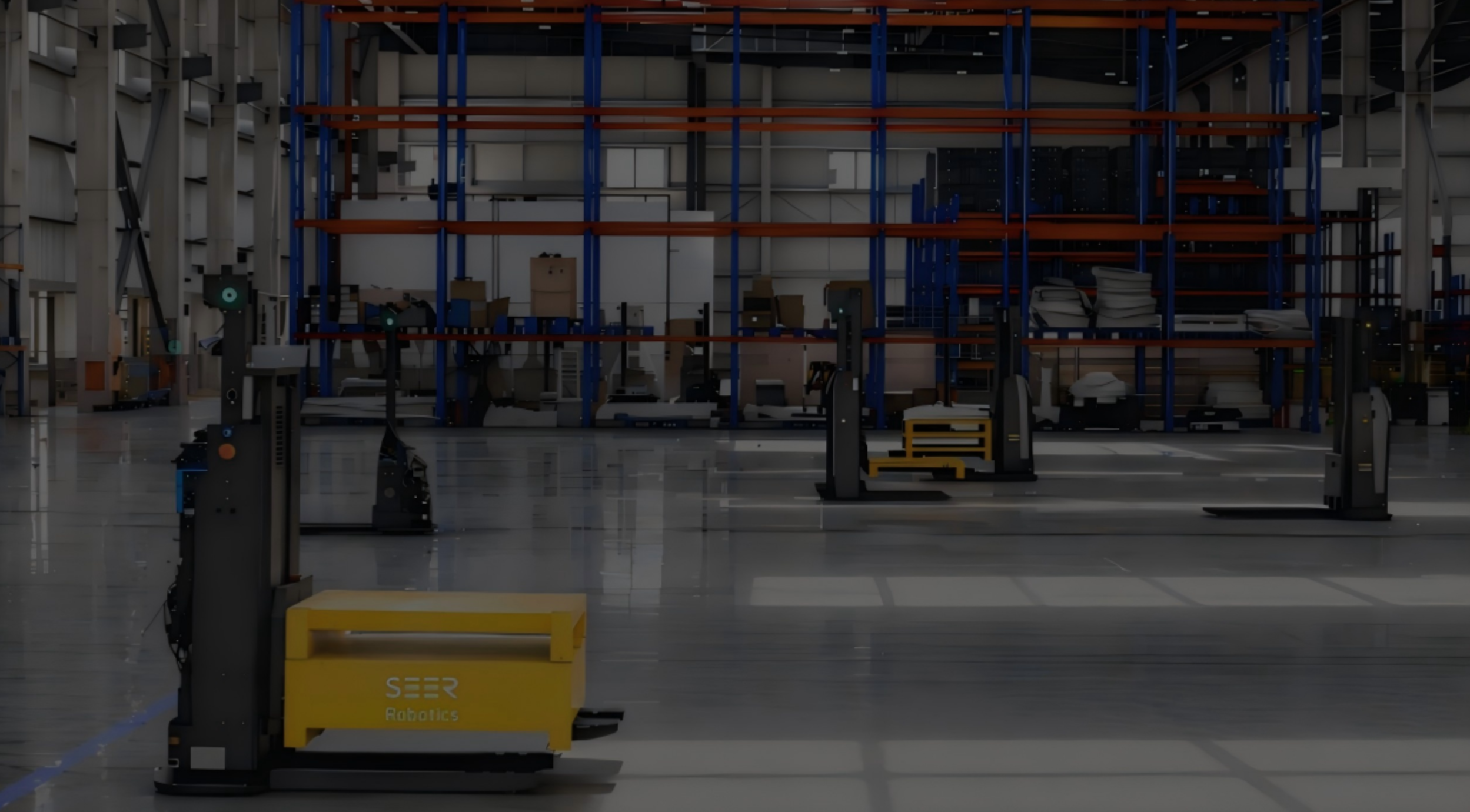
As the world’s leading controller manufacturer, SEER Robotics has independent intellectual property rights of SRC series controllers and production lines. It is the real source manufacturer, providing you with highly competitive ex-factory prices and faster delivery speed. Products comply with international standards and have been deployed in many countries and regions around the world. Through standardized communication protocols, the stable operation and technical compatibility of the system in multinational plant projects are ensured.

Factory View

FAQ

What are the requirements of the lifting robot for the ground environment of the workshop?
The equipment requires the ground to be flat and hard, the maximum slope of the ground needs to be less than or equal to 5%, and the steps and gaps are controlled within 5 mm and 10 mm, respectively, to meet its normal driving and high-precision jacking requirements.
Q: If the factory workshop suddenly cut off the network, would the lifting robot be dangerous?
A: No. The robot is equipped with a local obstacle avoidance algorithm. When the network is cut off, it will slow down and pull over according to the established track or continue to complete the local task of a single machine. The built-in LiDAR can detect obstacles in real time to ensure safety.
Q: How to ensure that the robot can accurately drill into the bottom of the shelf without hitting the shelf legs?
A: The robot has a wide shelf recognition function; even if the one-sided distance is greater than or equal to 7 cm, it can recognize the shelf and automatically correct and fine-tune the posture when approaching the shelf to ensure accurate and safe driving into the center line of the shelf.
Q: How does the lifting robot interface with the existing management system of the factory?
A: The product provides a standard system interface to support data interaction and information series connection with the existing manufacturing execution system, warehouse management system, and enterprise resource planning system of the enterprise.
Q: If there is a person in the workshop or a forklift suddenly moving, how will the robot respond?
A: The robot’s safety LiDAR system will divide the deceleration zone and the stopping zone. When it is detected that there is a person or equipment approaching in front, it will first slow down and prompt. If the distance is too close, it will immediately trigger the safety brake to stop completely.
Q: How long does it take for the battery to be fully charged, and does it support random charging when the production line is idle?
A: It usually takes less than or equal to 2 hours to charge from low battery to 80%. The system supports manual or automatic charging and can use the fragmentation time, such as station shift and material waiting for automatic opportunity charging, without manual intervention.