DATE: 2026/04/02
Robotic Lift Systems
When evaluating robotic lift systems in complex warehouse automation projects, I often see that people are stuck on the absolute parameters of the hardware. However, after the project is really landed, you will find that the blueprint for ultimate success depends not only on hard indicators but also on the perfect coordination of the standardized architecture control system and dynamic fleet scheduling.
For a truly robust and horizontally scalable robot lifting system, the bottom layer must have a strong and standardized robot controller. Only when the controller’s performance is stable can you seamlessly integrate with your WMS or ERP system through the standard API and completely break down the data silos within the workshop. No matter whether your scene requires a latent-lifting AMR to carry the standard material box or a heavy-duty unmanned forklift truck to carry the pallet in the narrow channel, the equipment must support SLAM navigation without a reflector and must be equipped with high-precision laser radar and 3D vision for dynamic obstacle avoidance. Moreover, in order to prevent traffic jams at intersections and ensure 24/7 uninterrupted running, a centralized FMS (Fleet Management System) is a non-negotiable hard indicator.
The Core Brain Behind the Hardware
When selecting robotic lift systems, it is easy to fall into a pit: eyes only focus on the lifting capacity of the mechanical structure. The real starting point for whether the system can expand smoothly in the future lies in the core computing unit—the robot controller.
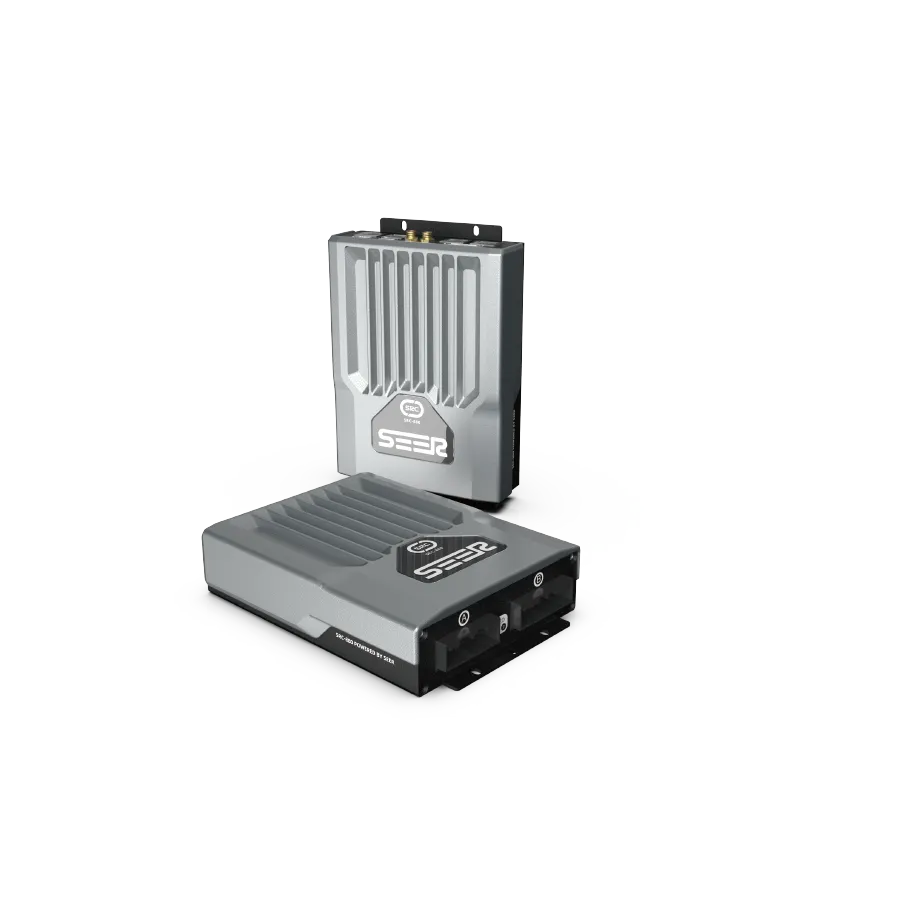
A standardized architecture controller, like the industry benchmark SRC series, is essentially the central nerve of this set of automation equipment. Anyone with practical experience in warehouse automation knows that the primary objective is to eliminate fragmented data silos within the workshop. Standardized controllers can directly interface with existing WMS and ERP software through standard APIs. What they fear most is the kind of closed system. Custom interface development can be a painful, time-consuming, and costly process. As long as you ensure that your robot lifting system can synchronize inventory updates and task status to the upper-level business system in real time, you can directly pull up a highly synchronized and extremely responsive in-plant logistics environment without spending a lot of money on customized software development.
Flexible Hardware For Various Scenarios
There are no two identical warehouses on site. This means that your robot lifting system must be aligned with your actual business line. At this time, the assessment of physical indicators—especially load and lift height—is extremely critical.
According to the actual needs of the factory, you need to put the hardware deployment into the following two categories:
Latent jacking of AMR: The best solution for handling standard totes, racks, and lightweight loads. These autonomous mobile robots directly drill into the bottom of the carrier, smoothly lift up and then shuttle at high speed in the factory area, and are very efficient at the “goods to people” picking station.
Heavy-duty unmanned forklift: When it comes to heavy-duty pallets and narrow-aisle operations, unmanned forklifts are definitely the first choice. They provide the necessary lift and robust load chassis to safely take heavy goods onto high-level shelves in that high-density storage environment.
SLAM Navigation and Dynamic Obstacle Avoidance Without Infrastructure
In traditional automation projects, extensive site modifications were often required, such as installing magnetic stripes, QR codes, or physical reflectors. The shutdown cost and upfront investment were extremely troublesome. The current modern robot lifting system directly uses SLAM navigation without infrastructure, which removes these operational overheads.
Those who engage in automation are clear that safety and accuracy are the bottom line. After combining SLAM navigation with accurate LiDAR and 3D vision sensors, the robot can map the surrounding environment in real time. This sensor fusion technology allows the robot to have a real dynamic obstacle avoidance capability. Instead of just stopping there and waiting for obstacles, it can identify people walking, sudden debris, or other equipment and then quickly calculate a set of alternative routes. This ensures that the material flow will never be broken without sacrificing the safety of the workshop.
Dynamic Fleet Scheduling Via RDS/M4
Managing a single robot is straightforward, but coordinating dozens or hundreds simultaneously requires a robust foundation. Without intelligent traffic control, robots will inevitably block each other at intersections, leading to operational bottlenecks.
In large-scale facilities, deploying a unified intelligent management system—specifically SEER Robotics’s RDS (Robot Management System) and M4 (Smart Logistics Management System)—is critical. If the SRC controller is the brain, then RDS/M4 acts as the air traffic control tower. They assign tasks to the most suitable robot, optimize routes in real-time, and eliminate deadlocks. By dynamically balancing workloads and managing charging schedules, RDS and M4 enable true 24/7 operation and maximize the ROI of your robotic investment.
Take Full Control of the In-Plant Logistics Network
The modernization of logistics in the warehouse plant has long been not as simple as simply purchasing isolated pieces of equipment.
Connect the precise physical indicators of the equipment with the highly open software ecology, and the future logistics of your factory will be stable. From the seamless dialogue between the SRC series controller and your WMS/ERP system to the sophisticated deadlock management of the RDS/M4 platform, choosing the right robotic lifting system grants you absolute, uncompromised control over your entire factory logistics network.
Frequently Asked Questions (FAQ)
Q: Why, when evaluating robotic systems such as the SRC series, should we prioritize the controller over mere mechanical load capacity?
A: Mechanical load capacity is merely the baseline; the controller is the core component that determines how well this machine’s “brain” performs. You can think of it as the robot’s “central nervous system”. If the controller chooses that standardized architecture, you logically avoid the expensive and lengthy interface customization development and the hassle of data silos. For enterprises, this means robots can integrate seamlessly and in real time with existing WMS or ERP systems, ensuring precise, smooth flow of logistics data and preventing information silos.
Q: Compared with magnetic stripe or QR code navigation, what are the core advantages of SLAM navigation?
A: With earlier magnetic-strip or reflective-marker solutions, you’d have to completely redo the entire warehouse floor. This kind of infrastructure retrofit is extremely costly, and any subsequent changes are also very cumbersome. Modern SLAM navigation is essentially real-time reconstruction of the environment; it does not require you to pre-lay tracks. From a practical standpoint, this means you can adjust work routes at any time in response to warehouse changes—without disrupting daily operations. This “plug-and-play” flexibility is something that traditional fixed-asset solutions simply cannot match.
Q: In a busy warehouse, how does the system handle sudden obstacles?
A: This involves multi-sensor fusion technology. Advanced robotic systems do not rely on SLAM alone; instead, they integrate high-precision LiDAR with 3D vision. When some old system encountered an obstacle, they would simply “stand still” in place, causing traffic jams. But today’s systems are different. They can instantly determine the nature of the obstacle—whether it’s a person or loose debris—and dynamically compute an optimal detour route on the fly. This real-time decision-making capability ensures that logistics operations remain fluid and prevents severe cascading bottlenecks caused by unexpected disruptions.
Author: SEER Robotics Technology Expert
Hi, I’m a Senior Automation Engineer and logistics robotics specialist at SEER Robotics. With years of hands-on experience in complex warehouse automation projects, I specialize in deploying robotic lift systems, including latent jacking AMRs and heavy-duty unmanned forklifts.


/1.png?x-oss-process=image/format,webp)
/1.png?x-oss-process=image/format,webp)
 Contact Us