
DATE: 2026/04/10
Rooted in Pudong, Ecosystem Evolution: SEER Robotics Embarks on a New Journey Toward a Platform-Based Intelligent Robotics Company
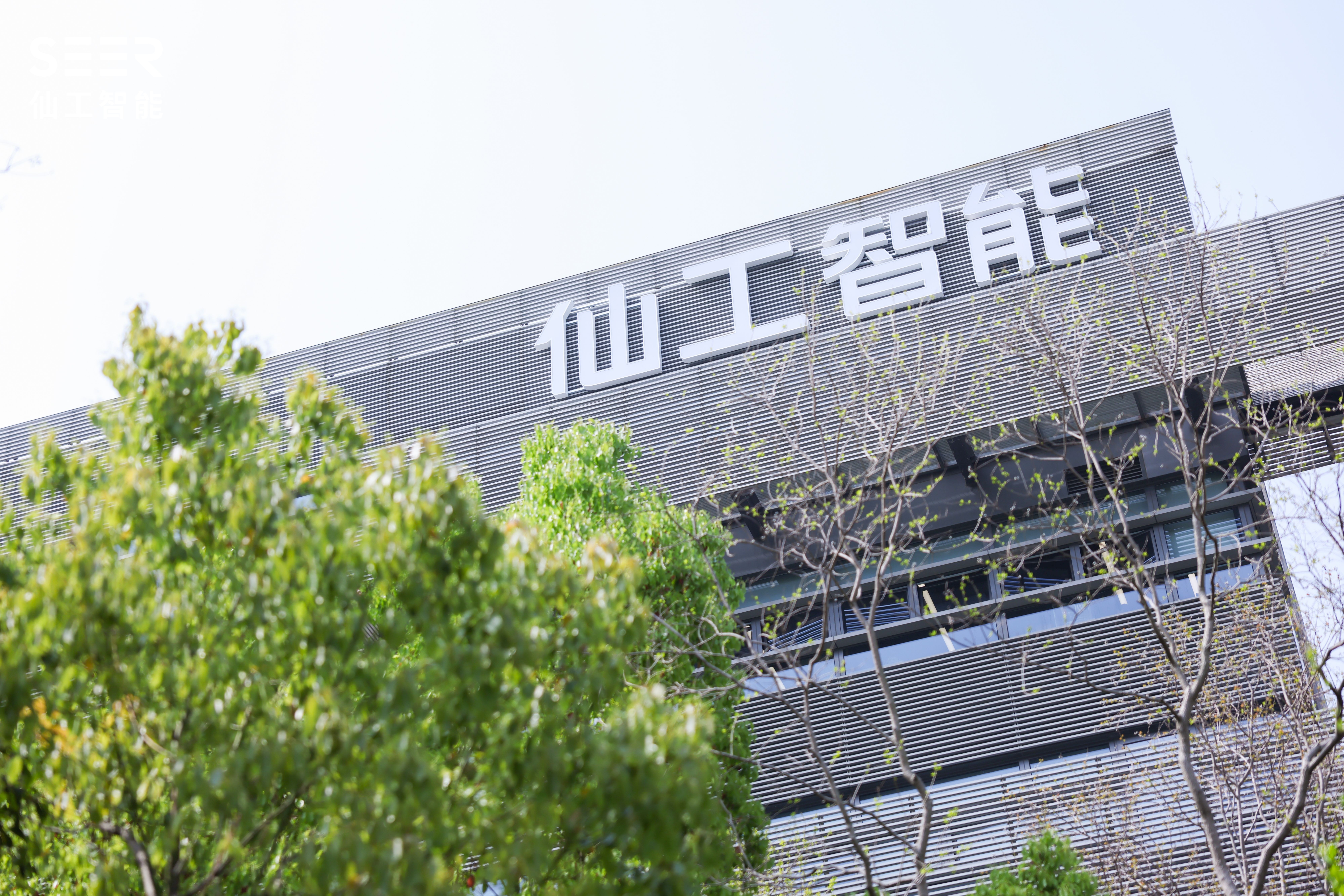
On April 10, SEER Robotics held its relocation ceremony at the Zhangjiang Guochuang Center.
A delegation of distinguished leaders attended the event, including Li Hui, Deputy District Mayor of Pudong New Area, Shanghai; Xiao Jian, Director of the Zhangjiang Science City Construction Administration Office and Director of the Zhangjiang Administration Bureau; Chen Heng, Vice President of Shanghai Zhangjiang (Group) Co., Ltd.; and Zhao Dong, General Manager of Shanghai Zhangjiang Digital Intelligence Economy Development Co., Ltd. Together with SEER Robotics’ founding team and senior executives, they witnessed this milestone moment.
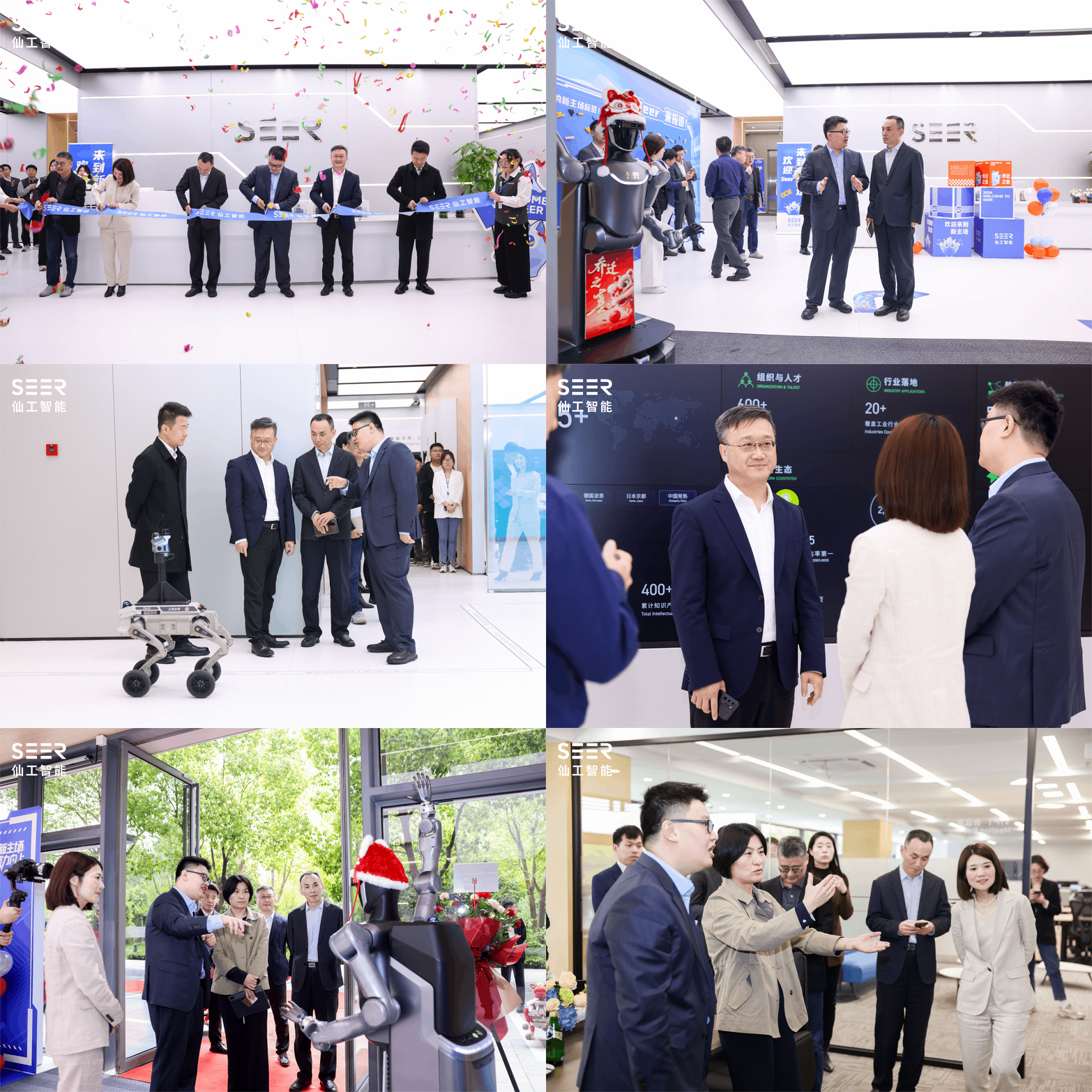
This is not merely a physical relocation, but a leap in strategic capability.
As one of the world’s leading innovation hubs, Pudong hosts one of China’s most concentrated clusters of intelligent robotics, artificial intelligence, integrated circuits, and advanced equipment industries, bringing together top-tier research institutions, innovation talent, and a complete industrial ecosystem. By establishing a strong foothold here, SEER Robotics aims to leverage this fertile industrial ground to accelerate its evolution into a platform-based intelligent robotics company.
At this new starting point, SEER Robotics reaffirms its positioning: a platform-based intelligent robotics company centered on control systems.
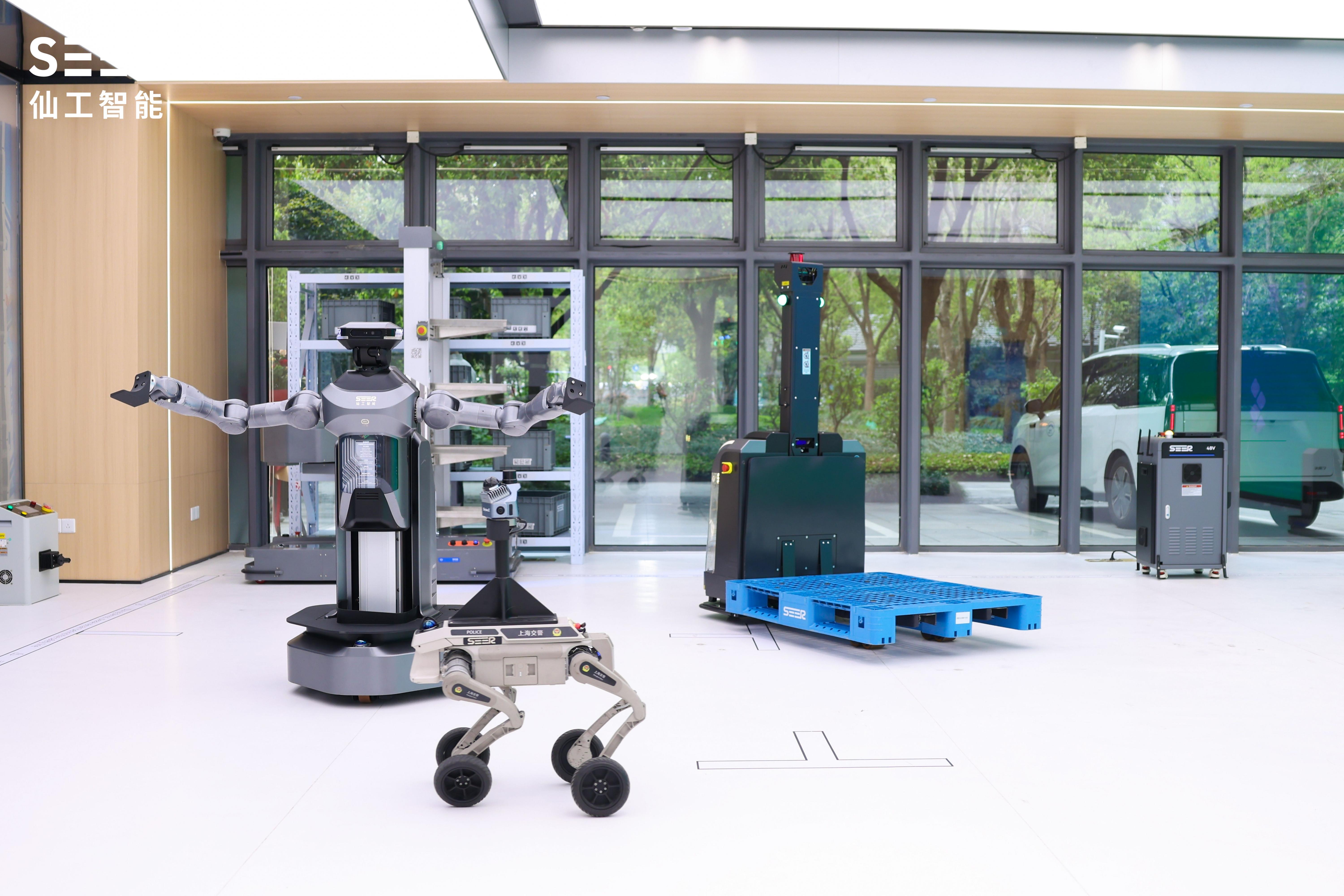
Today, a seemingly prosperous yet structurally imbalanced contradiction continues to intensify: foundational technologies such as large models and embodied intelligence are emerging rapidly, while real-world deployment remains trapped in fragmentation. Different scenarios correspond to different robot forms—industrial, warehousing, hospitality, inspection—and behind each is often a fully duplicated system stack.
Diverse scenarios, repeated “reinvention of the wheel,” and high customization costs have led to an industry that appears active on the surface, yet remains extremely difficult to scale.
Against this backdrop, what the industry truly lacks is not more types of robots, but more universal foundational robotic capabilities. This is precisely the direction SEER Robotics continues to pursue: not to deliver a specific robot or project, but to provide reusable and scalable underlying capabilities and infrastructure for the entire robotics industry.
A true platform is defined by focus and restraint. SEER Robotics pursues “deep integration with broad connectivity”—deepening core control capabilities while strengthening ecosystem-wide interconnection.
I. Reusable Capabilities
Providing industrial-grade foundational capabilities, not standalone features
In traditional robotics development models, companies often build customized solutions for specific scenarios, following a project-based delivery logic. While this may appear to meet client requirements, it ultimately results in fragmented technological outcomes that are difficult to accumulate or reuse.
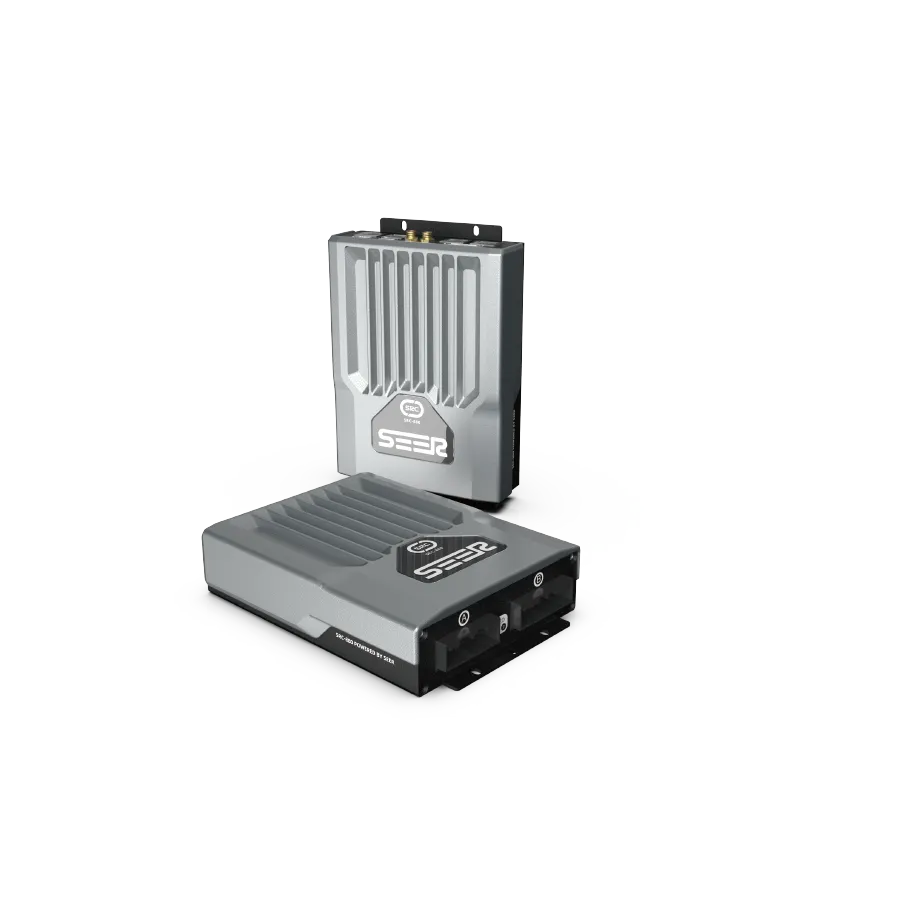
SEER Robotics has chosen to root its technology in foundational layers, focusing on robot controllers, embodied intelligence and decision-making capabilities, and general software and system architectures. These core capabilities function as standardized modules that can be repeatedly leveraged across countless projects.
Like cement and steel in the construction industry—materials not created for a single building but for all structures—SEER Robotics provides the “fundamental building materials” of the robotics industry:
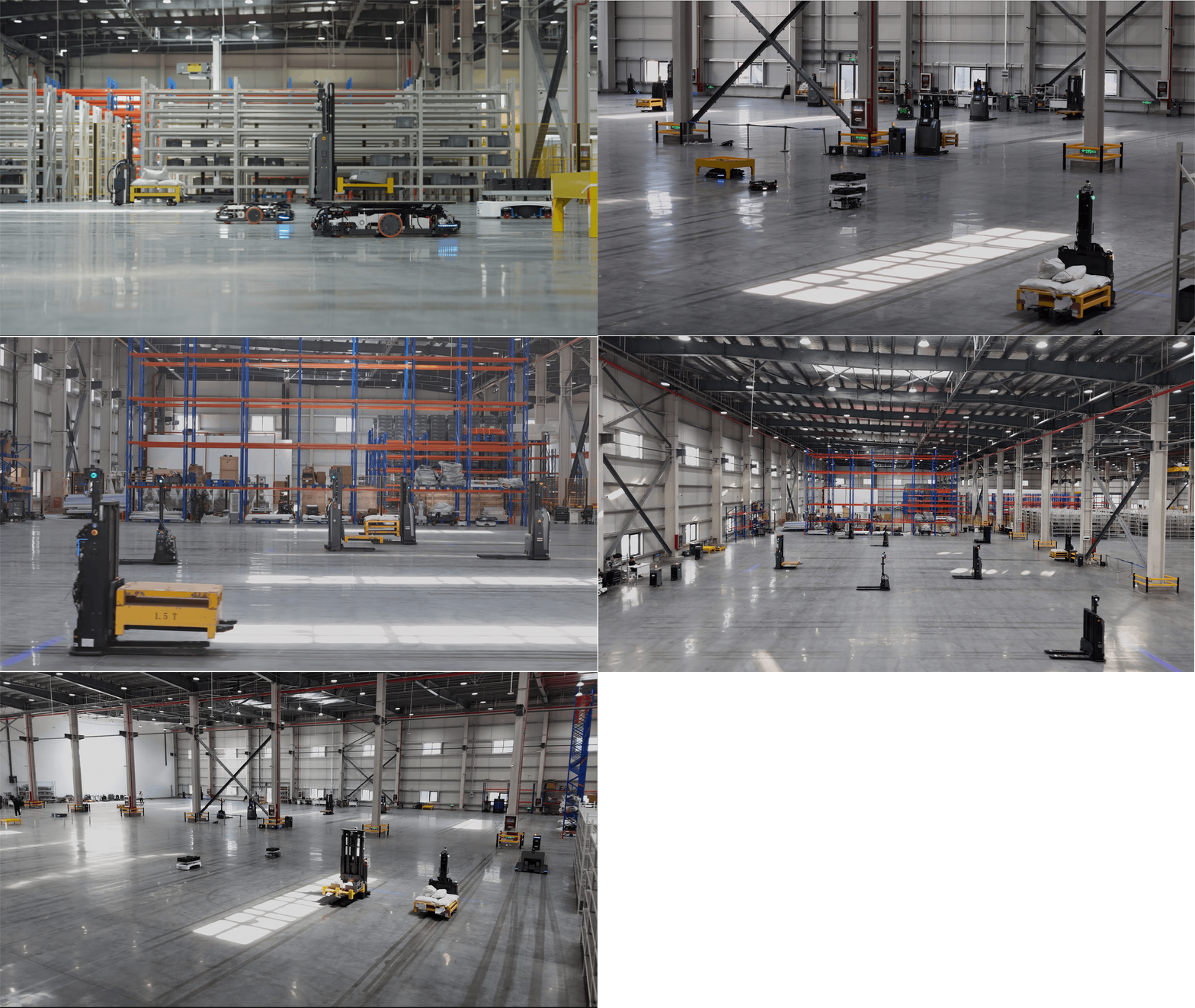
1. Cross-scenario adaptability: From heavy-duty forklifts in factories to autonomous cross-floor delivery robots, as well as humanoid robots and inspection quadruped robots, all can operate on the same SEER Robotics control system.
2. Modular invocation: Developers no longer need to build complex low-level driver models from scratch or repeatedly solve challenges such as LiDAR-vision fusion algorithms. Mature capabilities can be used like building blocks—freely combined, flexibly deployed, and seamlessly scaled.
This principle of “reusable capabilities” represents the accumulation of technological assets. It enables future developers to bypass the difficult “from 0 to 1” stage and instead build directly “from 1 to N” on top of SEER Robotics’ foundation, focusing their efforts on solving domain-specific engineering challenges.
II. Multi-Party Collaboration
Connecting industry participants rather than replacing them
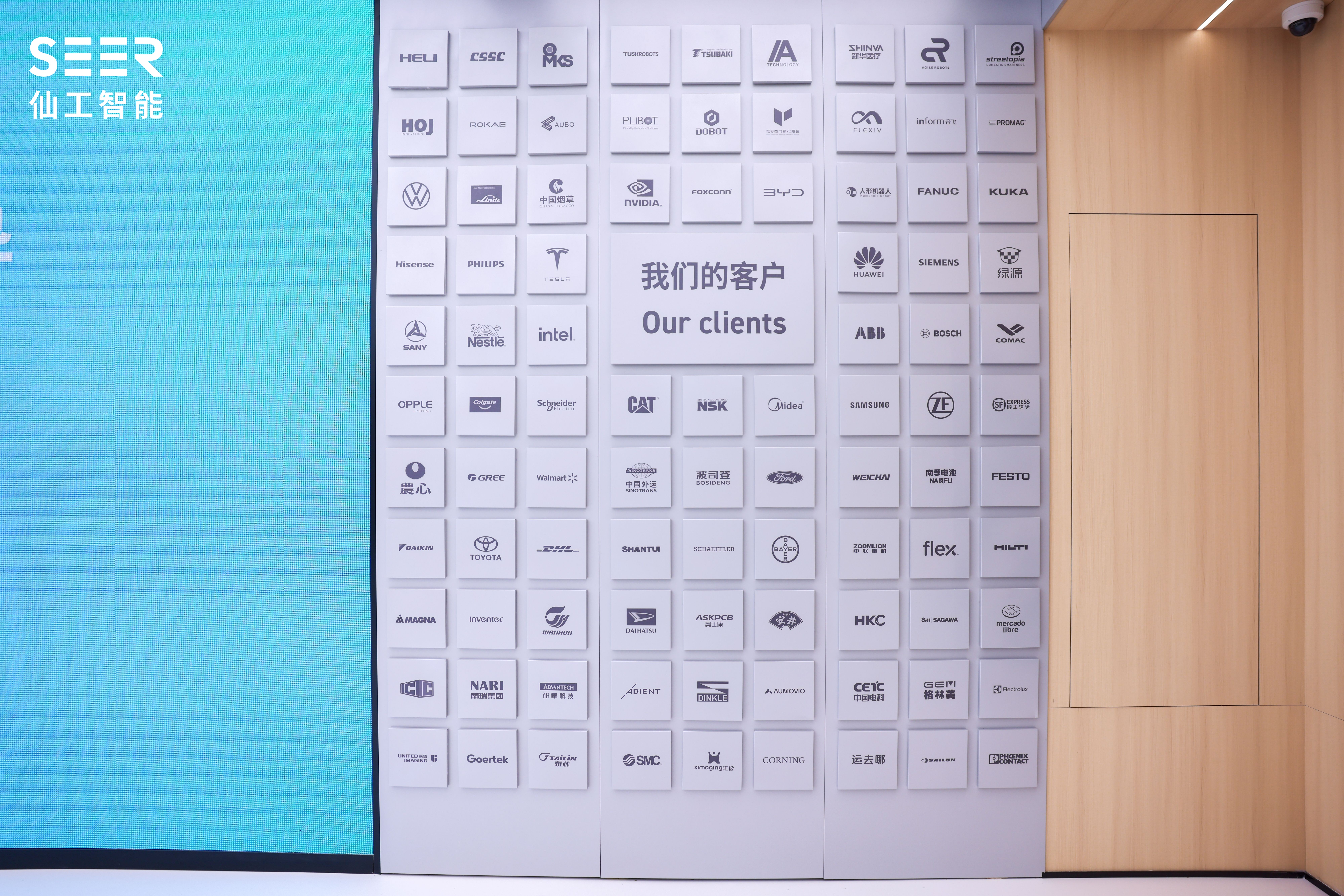
Within the robotics industry value chain, SEER Robotics maintains a clear role definition: to build an open intelligent robotics platform that connects robotics engineers, hardware manufacturers, system integrators, and end customers, enabling value co-creation under a unified technical framework.
1.Robotics engineers gain more user-friendly development tools and more efficient debugging environments, freeing them from complex low-level coding.
2. Robot manufacturers are provided with core control modules, lowering R&D barriers and allowing them to focus on mechanical design and craftsmanship.
3. System integrators are empowered with the world’s most comprehensive selection library of 1,000+ intelligent robotics solutions, reducing selection and delivery risks.
4. Through ecosystem partners, end customers ultimately receive more stable, maintainable, and cost-effective solutions.
Through this multi-party collaboration model, competitive relationships are transformed into cooperative synergy, forming a symbiotic ecosystem. Within this system, SEER Robotics’ own product line serves as a “showroom”—demonstrating
best practices, testing technological boundaries, and validating complex scenario performance. It provides partners with a reference implementation rather than competing for market share in fragmented segments.
Only when ecosystem partners succeed can the platform truly create value.
III. Lowering Systemic Barriers
Enabling broader participation rather than closed development
Given the high technical complexity and extreme fragmentation of application scenarios, traditional industry structures allow only large companies with top-tier algorithm teams to enter the field. Many small and medium-sized enterprises with strong domain expertise are excluded due to prohibitively high R&D costs.
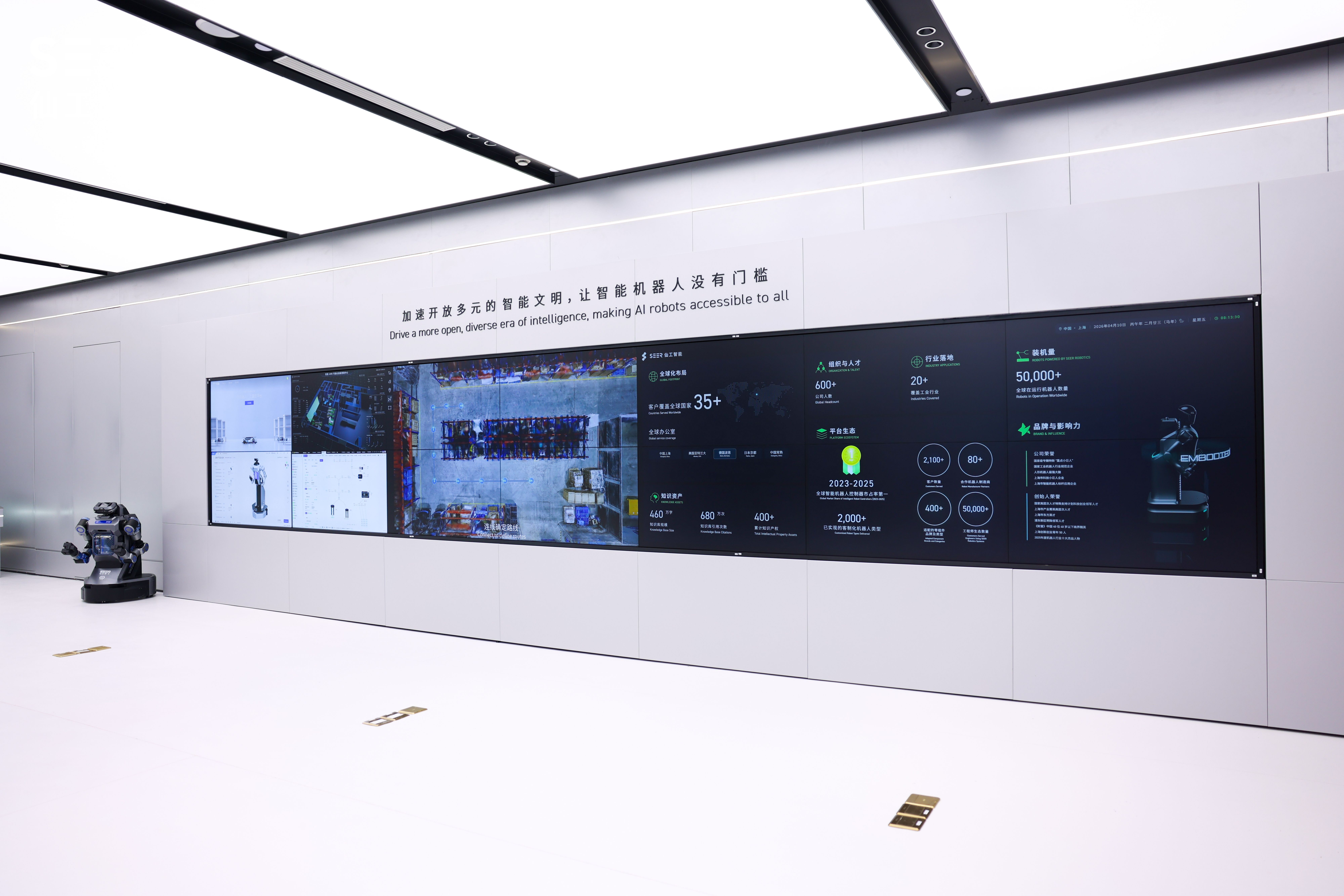
The mission of SEER Robotics is to accelerate an open and diversified intelligent era. SEER Robotics, Build your own robot fleet within days! It aims to reduce systemic barriers to developing, acquiring, and deploying robots, thereby increasing industry participation and accelerating ecosystem growth.
Through standardized controller interfaces, low-code software tools, and modular algorithm components, SEER Robotics transforms tasks that once required months of work by dozens of engineers into something that can be completed by a single engineer in just a few days. Automation engineers familiar with PLC systems can quickly transition into robotics developers, while small integrators of only a few people can undertake complex projects once reserved for mature enterprises.
Lowering barriers does not mean lowering standards. In industrial scenarios, stability and safety are non-negotiable baselines. SEER Robotics addresses this by providing rigorously validated “standardized building blocks”—navigation modules tested through thousands of hours of field operation, scheduling algorithms refined across hundreds of deployments, and controllers certified for industrial-grade reliability.
At the same time, SEER Robotics has established a comprehensive ecosystem certification mechanism. Only solutions that pass strict validation are included in the Xingyun Platform solution library. This dual mechanism—low entry barriers combined with high certification standards—ensures innovation vitality while maintaining quality in industrial applications, making intelligent robotics a truly accessible productivity tool across industries.
IV. Emerging Platform Effects
Value scales with usage, not linearly with project volume
Traditional project-based companies often face structural growth limitations: as scale expands, so do labor inputs and management costs, leading to rising overhead and diminishing marginal returns. Product-based companies, meanwhile, are constrained by predefined scenarios and struggle to address long-tail demands.
SEER Robotics pursues platform effects that scale with adoption, driven by a dual-engine model: the “technology flywheel” and the “platform flywheel.”
1. Continuous strengthening of the robot brain: Starting from building a highly reliable robotic intelligence system, SEER Robotics significantly lowers the technical barrier to intelligent robotics and meets diverse end-user requirements. Through continuous accumulation of scenario demands and data, the capabilities of the robot brain are further enhanced, driving the continuous operation of the technology flywheel.
2.Empowering cost reduction and efficiency across the industry chain: Leveraging accumulated scenario data and robot models, downstream partners can rapidly develop diverse robotic forms. This not only enriches product variety but also strengthens the supplier ecosystem, reducing costs and accelerating delivery—creating a virtuous cycle for the platform flywheel.
When ecosystem stickiness reaches a critical threshold, value growth becomes exponential. This creates a non-symmetric competitive moat: as more engineers become accustomed to SEER Robotics’ low-code environment, and as more integrators discover that building on the SEER Robotics platform is three times faster than in-house development, platform effects shift from quantitative accumulation to qualitative transformation.
This is the ultimate appeal of a platform company: the value of SEER Robotics lies not in how many projects it completes on its own, but in how many partners it empowers—and how large and vibrant an ecosystem it helps build.


/1.png?x-oss-process=image/format,webp)
/1.png?x-oss-process=image/format,webp)
 Contact Us