
DATE: 2026/03/06
Is It Necessary for Factories to Achieve Intelligent Upgrades in One Step?
Through extensive project experience in global markets, we have found that “high upfront investment costs” and “uncertainty in technology implementation” remain the core barriers preventing enterprises from taking the first step toward intelligent transformation.
I. Why More Factories Are Moving Away from a One-Step Approach
In the early days of automation, many companies preferred full-scale planning and comprehensive factory-wide transformation. However, as market conditions evolve, this model is being re-evaluated.
The environment itself is becoming increasingly uncertain: fragmented orders, rapid product iterations, and accelerated technological advancements. Under such conditions, designing an automation system with a ten-year lifecycle inherently carries significant uncertainty.
As a result, a more robust approach is gaining widespread adoption—starting with automation in specific scenarios and gradually expanding to a broader scope.
For example, companies may begin with warehouse handling automation, then extend to production line distribution, and ultimately build a workshop-level intelligent logistics system. This approach not only reduces initial investment pressure but also allows continuous optimization of system design within real production environments.
II. Phased Upgrades: The Biggest Risk Is System Fragmentation
However, phased implementation also comes with a common risk. If different system architectures are used at each stage, new challenges emerge as automation expands: new robots cannot integrate with legacy systems, coordination between different devices becomes difficult, and system upgrades require redevelopment.
Ultimately, what was intended to reduce risk may instead create new system silos.
Therefore, more enterprises are prioritizing a critical question when planning automation: whether they have a unified robot system. Only with a consistent underlying architecture can companies truly achieve small-scale deployment first, followed by continuous expansion.
III. “Robot Brain” Empowerment: Start Planning from a Single Robot
As a global leader in robot controller shipments for three consecutive years, SEER Robotics provides one-stop robot solutions that align perfectly with customers’ needs for low-cost, low-risk intelligent transformation.
1. Open platform for intelligent robots
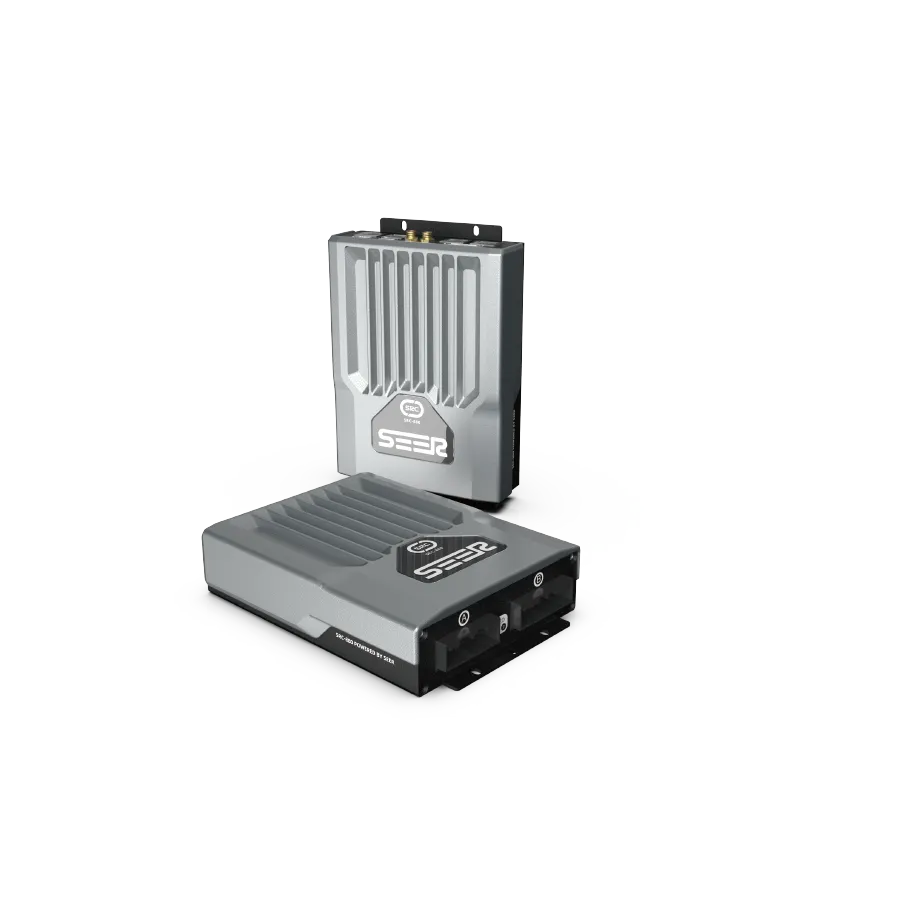
Based on the leading technology and market position of its core control system—the “robot brain”—SEER Robotics has built the world’s first large-scale open platform for intelligent robots. Enterprises are no longer locked into a single product, but can flexibly select and precisely match solutions according to their actual factory requirements.
2. Phased pilot validation
Leveraging the openness of SEER Robotics’ control system, customers can start with scenarios such as handling, palletizing, or picking. After validating processes and value in localized operations, they can seamlessly expand across the entire factory using the same underlying system.
3. Cost-controllable flexibility
SEER Robotics provides not just robots, but a one-stop solution. Through flexible configuration, enterprises can break down large one-time investments into manageable phased expenditures, ensuring that every investment delivers immediate productivity.
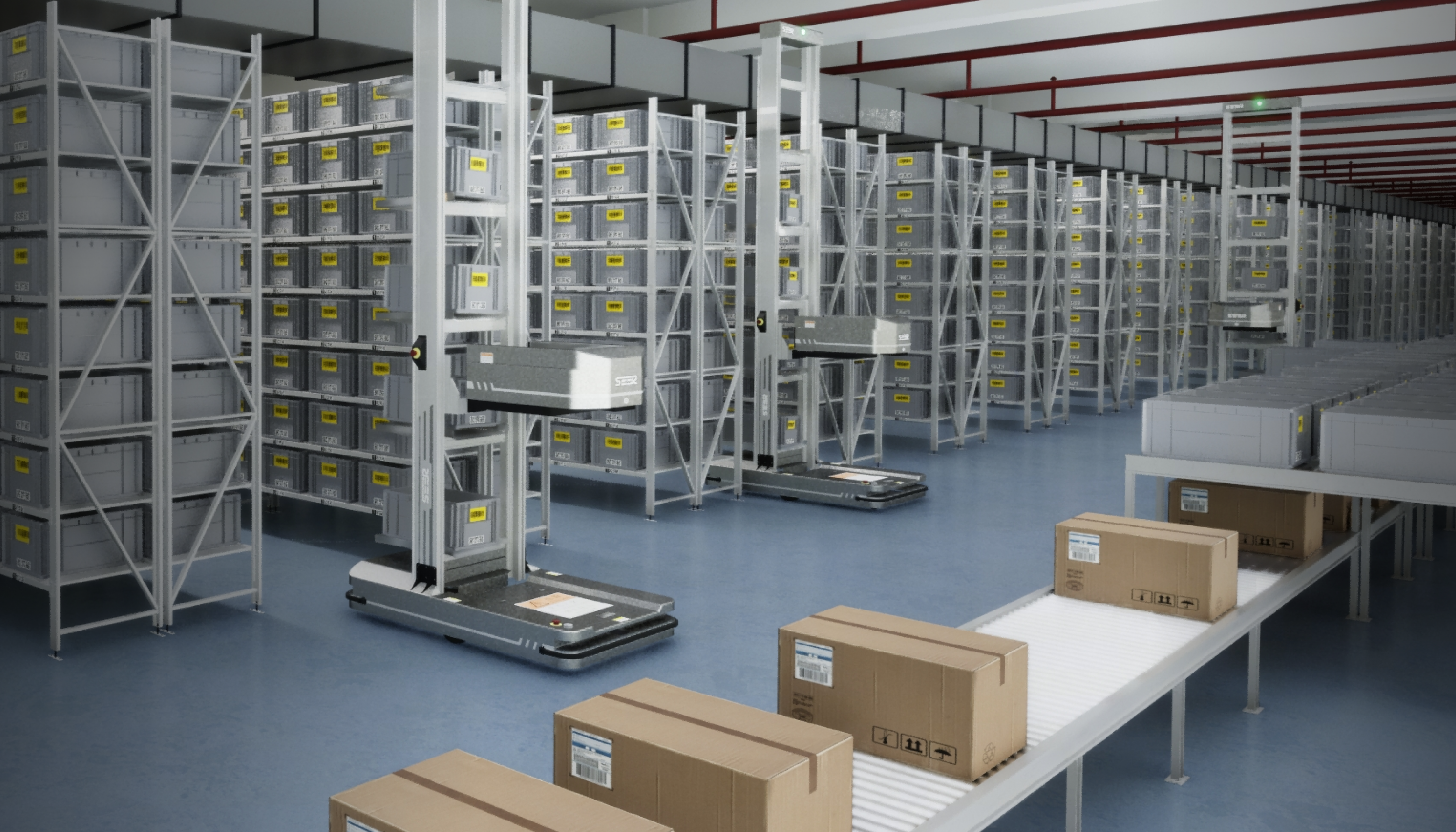
IV. Meet Us at LogiMAT 2026 in Germany
From March 24 to 26, SEER Robotics will be exhibiting at LogiMAT 2026 in Stuttgart, Germany, at Booth 8D61 in Hall 8, showcasing real-world applications of multiple robot types operating collaboratively under a unified “robot brain.”
SEER Robotics’ senior expert team will be on-site to share insights on:
1. How to rapidly assemble solutions that meet European standards using a library of 1,000+ robot configurations
2. How to reduce long-term maintenance complexity through an open platform
3. How to demonstrate clear ROI to your customers through phased investment strategies
We warmly welcome you to visit us and engage with our European team—see you at Booth 8D61.


/1.png?x-oss-process=image/format,webp)
/1.png?x-oss-process=image/format,webp)
 Contact Us