
DATE: 2026/06/04
SEER Robotics Insights | The Biggest Pitfall in Embodied AI Is the “AI + Everything” Mindset
In recent years, embodied intelligence has continued to gain momentum.
Foundation models are evolving, robotics systems are advancing, and concepts such as world models, spatial intelligence, and edge AI are rapidly gaining attention. In many discussions, a seemingly intuitive narrative gradually emerges: adding an AI layer to everything.
As a result, “Embodied AI = AI + Everything” has become an easy and widely accepted assumption.
However, the larger this statement becomes, the more caution it requires.
From SEER Robotics’ perspective, embodied intelligence is not about relabeling every product with AI, nor about forcefully rebuilding every scenario with AI. Its true purpose is to enable AI to enter the physical world—where it can perceive, decide, act, and be accountable for outcomes in real environments.
In other words, embodied intelligence is not a conceptual expansion—it is a capability grounded in real-world execution.
1. Embodied Intelligence Is Not Simple Addition
At a superficial level, “AI + Everything” looks like a simple addition problem.
First, add models; then add hardware; then expand into scenarios. This narrative is smooth, intuitive, and easy to spread.
But robots in the real world do not work this way.
To complete a task, a robot must not only recognize what is in front of it or understand a command. It must also decide what to do next, execute stable motion control, perceive changes during execution, and continuously adjust based on feedback.
If any link in this chain breaks, the task fails.
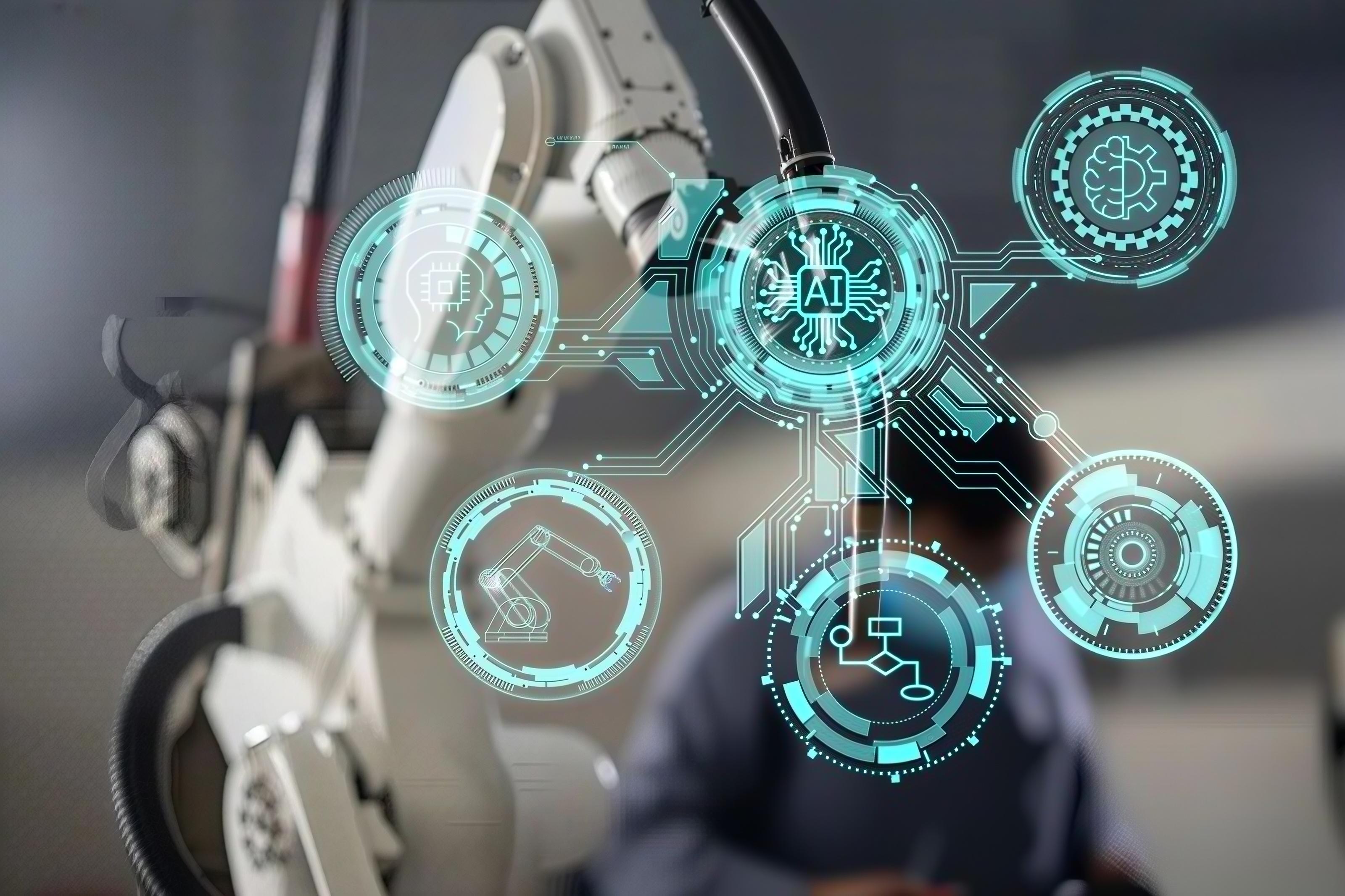
Therefore, the core of embodied intelligence is not “how much AI is added,” but whether a complete closed loop has been formed:
perceive the environment, understand the task, execute actions, and respond to feedback.
Only when these elements are fully connected does AI move beyond text-based responses and become physical action in the real world.
This is why embodied intelligence is fundamentally a system capability rather than an interchangeable AI layer.
2. Scenarios Define the Real Boundary
The appeal of “AI + Everything” lies in the assumption that sufficiently powerful AI can adapt to all scenarios and solve all problems.
But embodied intelligence is fundamentally different.
The physical world is concrete and uncompromising.
Different robot morphologies, sensor configurations, control architectures, and operating environments directly determine system capability. Industrial environments—high temperature, dust, narrow aisles, and dynamic human-machine interaction—are fundamentally different from clean, controlled lab conditions.
Model capability is important, but it does not automatically eliminate these differences.
In many cases, the real challenge is not “whether AI exists,” but whether the system can operate stably over time in real-world environments, adapt to complexity, and be effectively deployed at customer sites.
From this perspective, the true boundary of embodied intelligence is not conceptual—it is scenario-driven.
Those who better understand scenarios, control systems, deployment, and real-world data accumulation are closer to the true path of industrial embodied intelligence.
3. Why SEER Robotics Builds Embodied Intelligent Robots
SEER Robotics does not build embodied intelligent robots to pursue an “AI omnipotence” narrative.
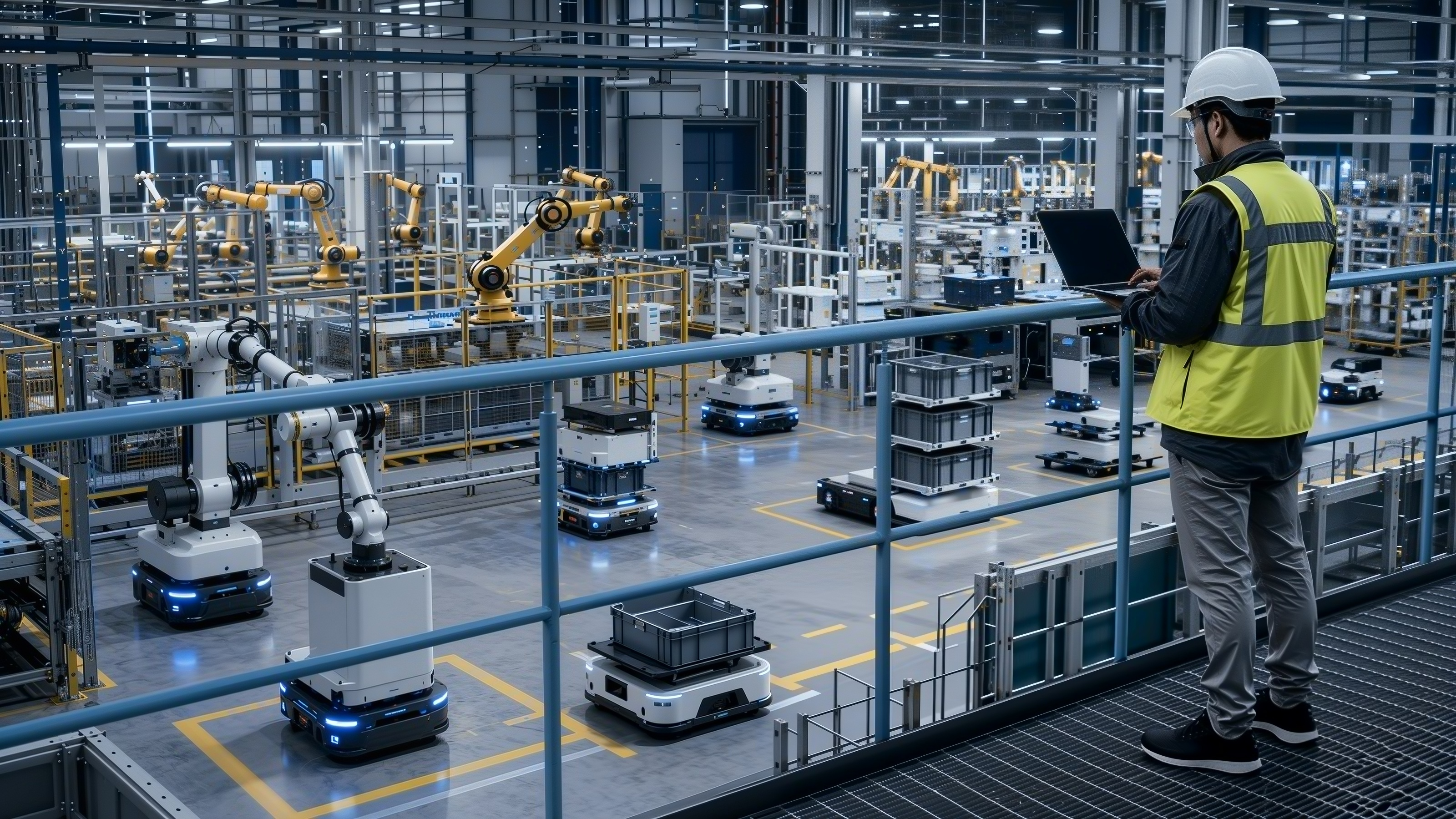
The goal is to solve specific, real-world challenges in industrial and logistics environments where traditional mobile robots are no longer sufficient.
In many scenarios, mobility alone is not enough.
Robots must not only reach a destination, but also understand environmental changes, perform light manipulation, coordinate with equipment, goods, personnel, and systems, and make autonomous decisions in more dynamic tasks.
This is where AI becomes essential.
However, not everything needs to be reinvented.
In highly structured and rule-defined environments, traditional solutions still hold strong value. SEER Robotics focuses on integrating AI capabilities with mature and reliable traditional systems to build complete operational workflows that deliver higher reliability and better cost efficiency.
This is SEER Robotics’ definition of embodied intelligence:
not making robots look more “general-purpose,” but making them perform tasks more effectively.
Ultimately, robotics technology must serve people.
Enabling robots to take over repetitive, physically demanding, or hazardous tasks is a core value of embodied intelligence in real-world deployment.
4. The True Focus Returns to Productivity
Today’s embodied intelligence industry is not short of excitement.
It is full of concepts, demonstrations, and futuristic imagination.
But excitement is not the destination.
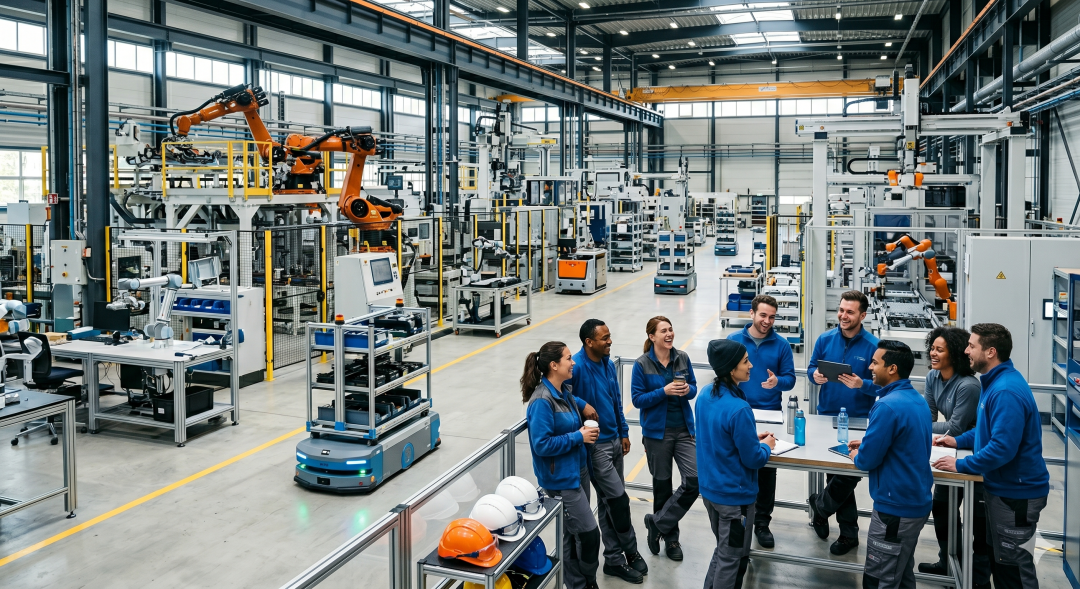
At its core, industrialization of embodied intelligence is a return to value. What truly matters is not who has the largest concept, nor who builds the most impressive demos—but who can make technology accountable for real outcomes.
Customers care about one thing: does it work?
Is the robot running reliably? Has it reduced costs? Improved efficiency? Reduced labor burden? And can it continuously deliver value in real environments?
These questions are more fundamental—and more difficult—than any conceptual narrative.
Over the long term, the real dividing line in embodied intelligence will not appear during hype cycles, but after deployment into real-world scenarios.
Those who can deploy robots into industrial, logistics, and manufacturing environments at scale—operating stably, replicating successfully, and continuously improving productivity—will be the ones who endure across cycles.
5. Our Answer Always Starts from the Field
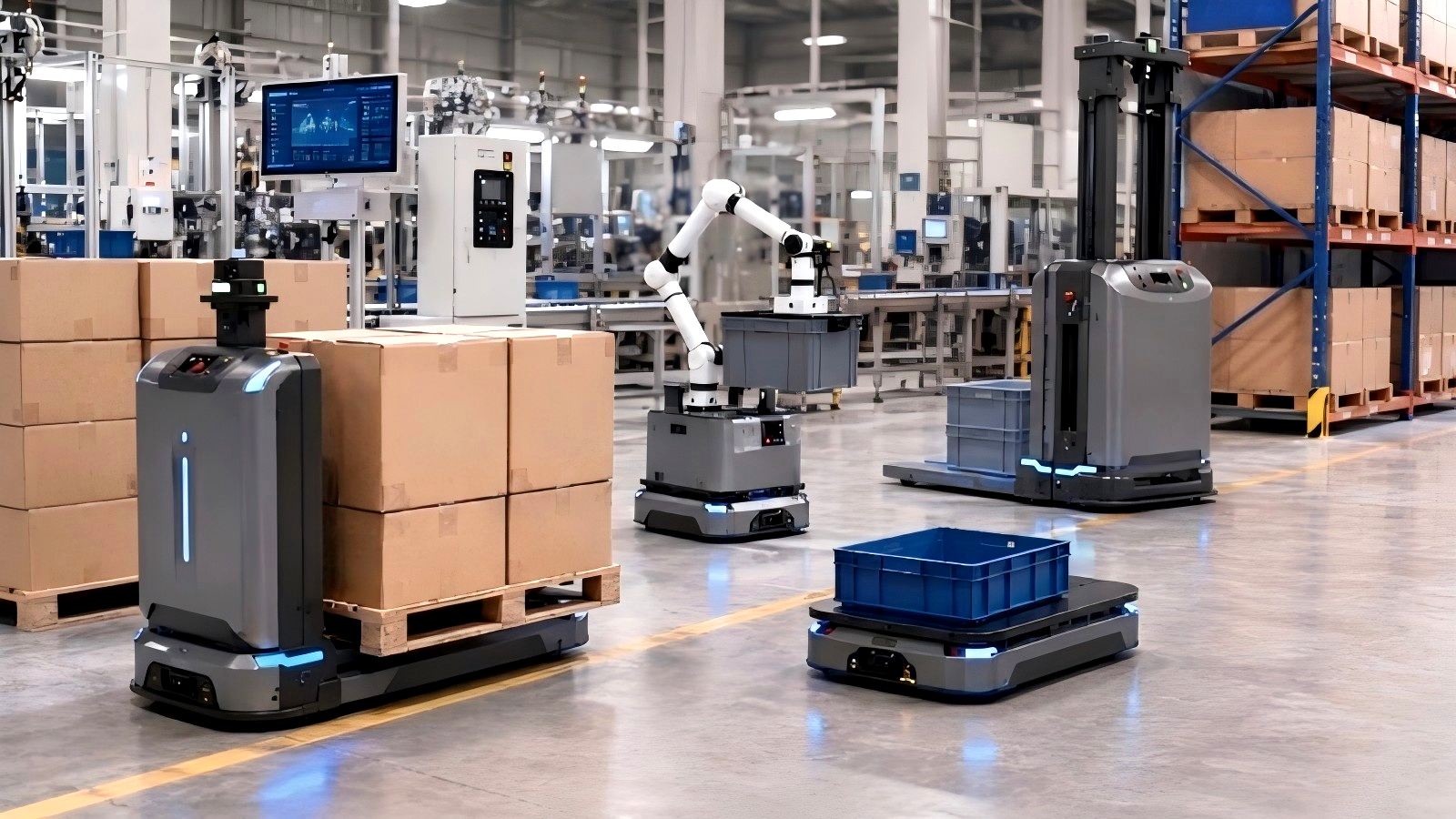
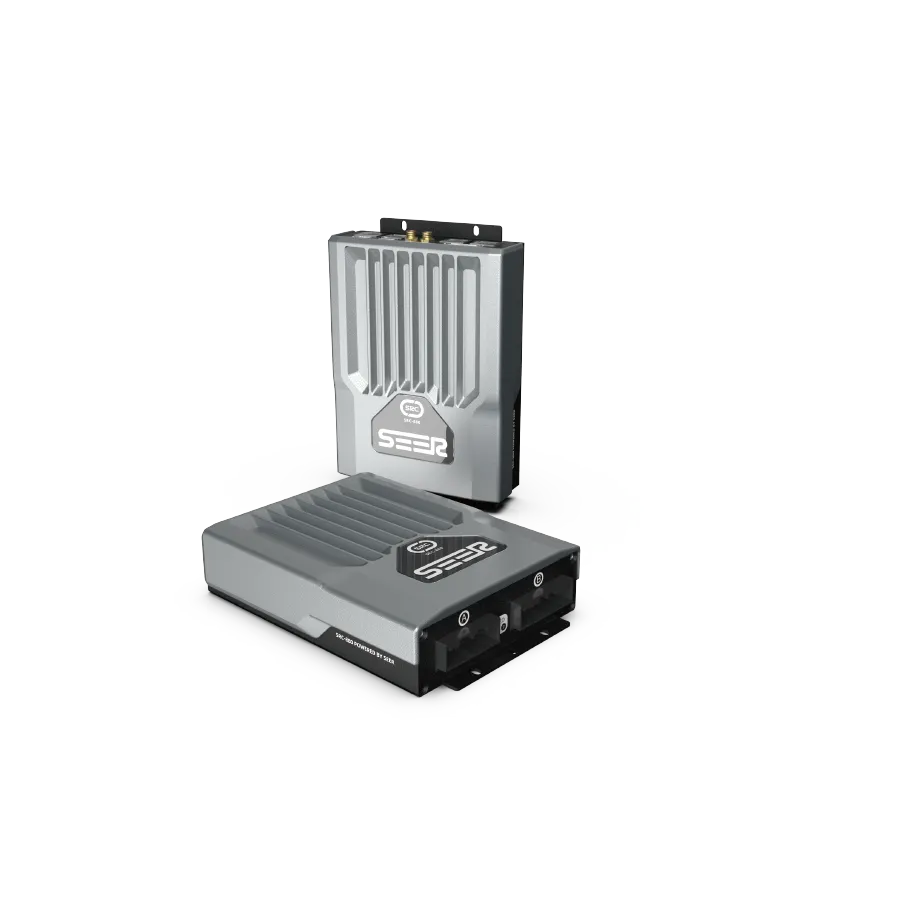
Over time, SEER Robotics has built comprehensive capabilities across robot control systems, multi-robot platforms, mobile robots, embodied intelligent robots, and software system platforms. It has delivered intelligent robotics solutions to over 20 industries and more than 2,100 companies globally, accumulating extensive real-world deployment experience in industrial and logistics environments, along with rare high-quality physical interaction data.
The value of this accumulation is not simply “having done many projects.”
It provides deep insight into real operational challenges:
how tasks are decomposed, how systems are integrated, how robots operate, how exceptions are handled, how data is fed back, and what customers are truly willing to pay for.
Therefore, SEER Robotics prioritizes real-world deployment, control systems, platform capabilities, high reliability, and scalability.
The deployment of embodied intelligent robots must first answer very practical questions:
Which scenario? Which task? What performance, capability, and cost requirements?
There are no shortcuts. Embodied intelligence is ultimately a systems engineering discipline that depends on ecosystem support and platform integration.
This remains a long-term focus for SEER Robotics.
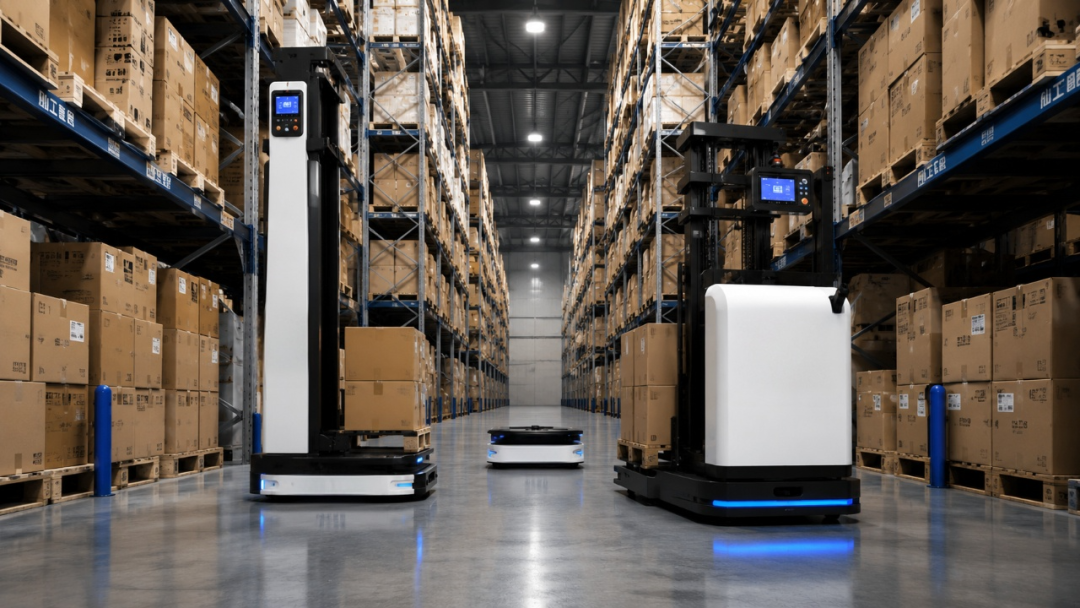
6. Is Embodied Intelligence Really “AI + Everything”?
SEER Robotics’ answer is clear: No.
Embodied intelligence is not a boundaryless universal technology, nor is it a simplistic overlay of AI across all industries.
It is the process by which AI transitions from the digital world into the physical world—where perception, decision-making, action, and feedback operate in real environments.
SEER Robotics builds embodied intelligent robots with a clear starting point: solving real problems that already exist and require resolution.
Concepts will evolve, and hype will fade.
What remains are companies that turn technology into outcomes and capabilities into productivity.
This is why SEER Robotics is committed to its mission: “Make intelligent robots accessible to all.”
For SEER Robotics, this mission is not a single-dimensional statement.
It includes making robots easier to develop, integrate, and manufacture; as well as making them easier to deploy, adopt, and operate reliably in real-world tasks.
Only by continuously lowering the barriers to manufacturing, deployment, and usage can embodied intelligence truly scale into widespread industrial adoption.


/1.png?x-oss-process=image/format,webp)
/1.png?x-oss-process=image/format,webp)
 Contact Us