DATE: 2026/04/17
Empty Pallet Robots See Product Details
Empty Pallet Robots
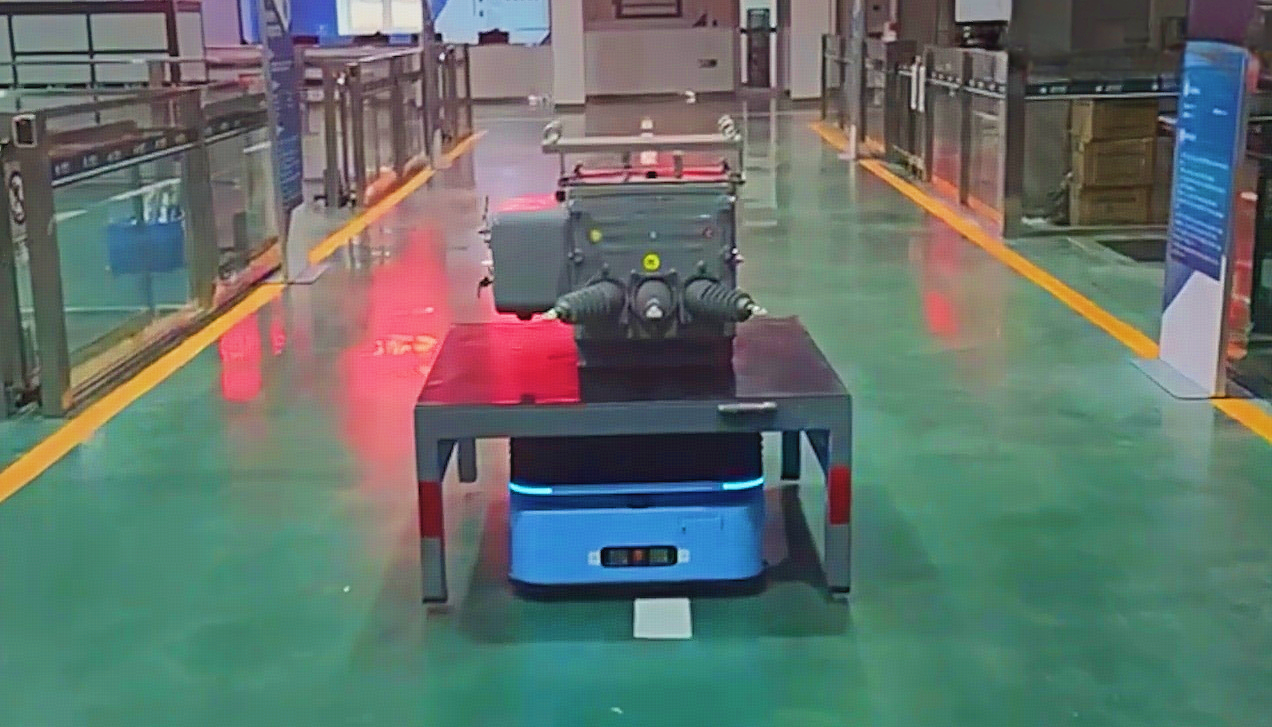
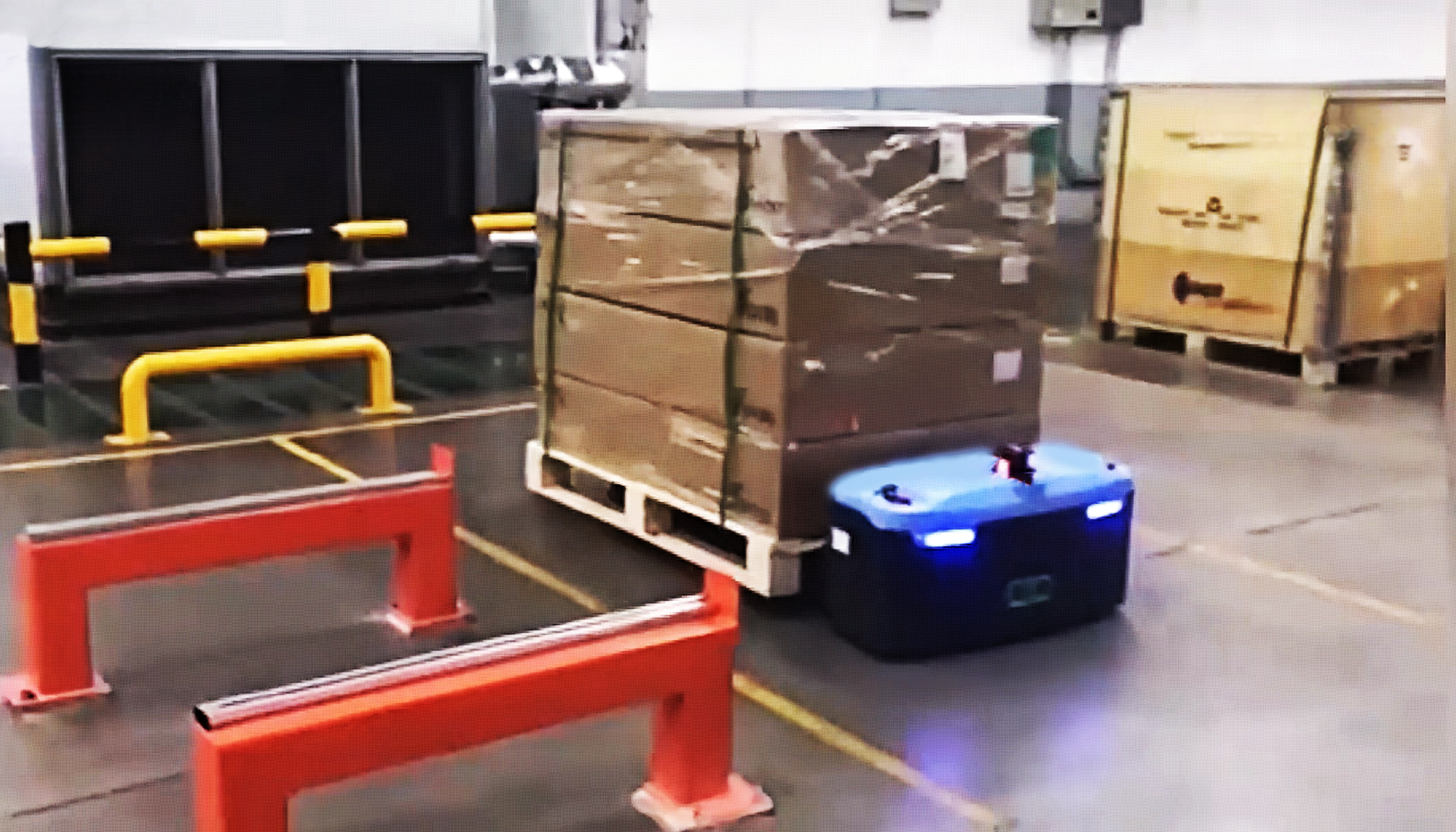
This empty pallet handling robot is positioned in the high-end industrial automation market and is committed to solving the end-of-line logistics links with high repeatability and high labor intensity. The product is based on the autonomous mobile robot (AMR) architecture, and its core structure integrates high-precision lidar, depth camera, and industrial-grade drive unit. Through 3D SLAM and natural feature positioning technology, the robot can achieve a repetitive positioning accuracy of ±2mm without modifying the environment, ensuring that empty pallets of different specifications can be accurately identified and forked in narrow channels, significantly improving the flow efficiency and space utilization of the production line. In design, the robot emphasizes the balance between economic benefits and environmental adaptability. It is configured with a modular structure, supports rapid deployment and multi-machine collaborative scheduling, and can seamlessly connect with ERP and WMS systems. Its built-in intelligent power management system supports automatic charging, and combined with IP52-level protection design, it can operate stably in complex industrial environments such as moisture and dust. This combination of low maintenance costs and high-efficiency output provides companies with a rapid return on investment, effectively eliminating the safety hazards and management burden brought about by manual handling.
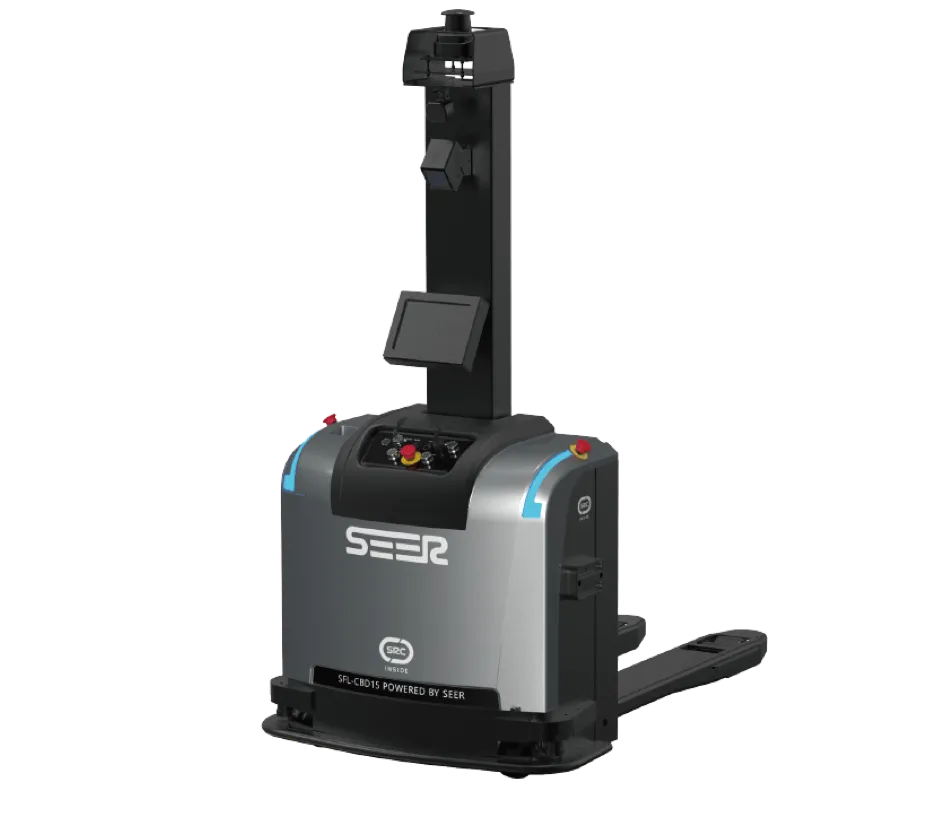
Autonomous Pallet Truck SFL-CBD15
The SFL-CBD15 features an ultra-narrow body design that supports laser SLAM navigation and natural feature positioning, achieving ±10 mm position accuracy and ±1° angle accuracy. It is mainly used in e-commerce sorting, electronic manufacturing production lines, and narrow tunnel material turnover.
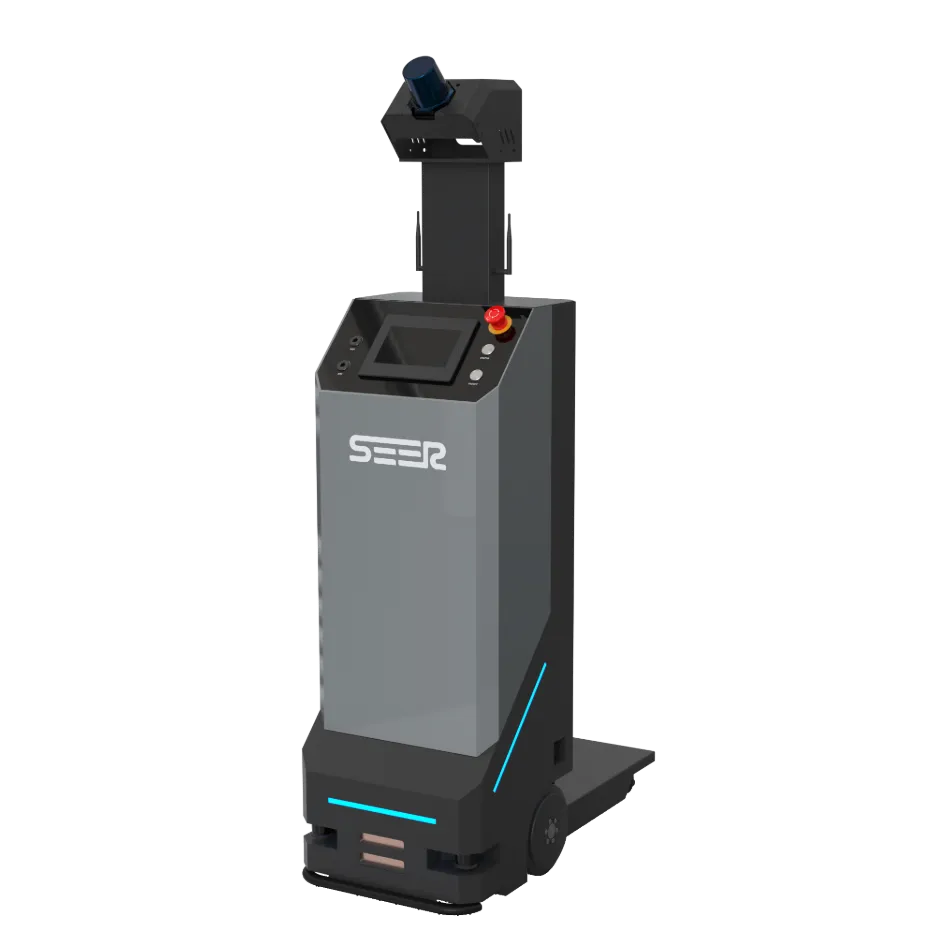
Single Fork Autonomous Forklift SFL-300L
The SFL-300L achieves a very small turning radius with a single fork structure, supports autonomous obstacle avoidance and pallet identification, and is perfectly suitable for handling in small spaces. Mainly used in semiconductor clean rooms, pharmaceutical warehouses, and 3C electronic material transfer.
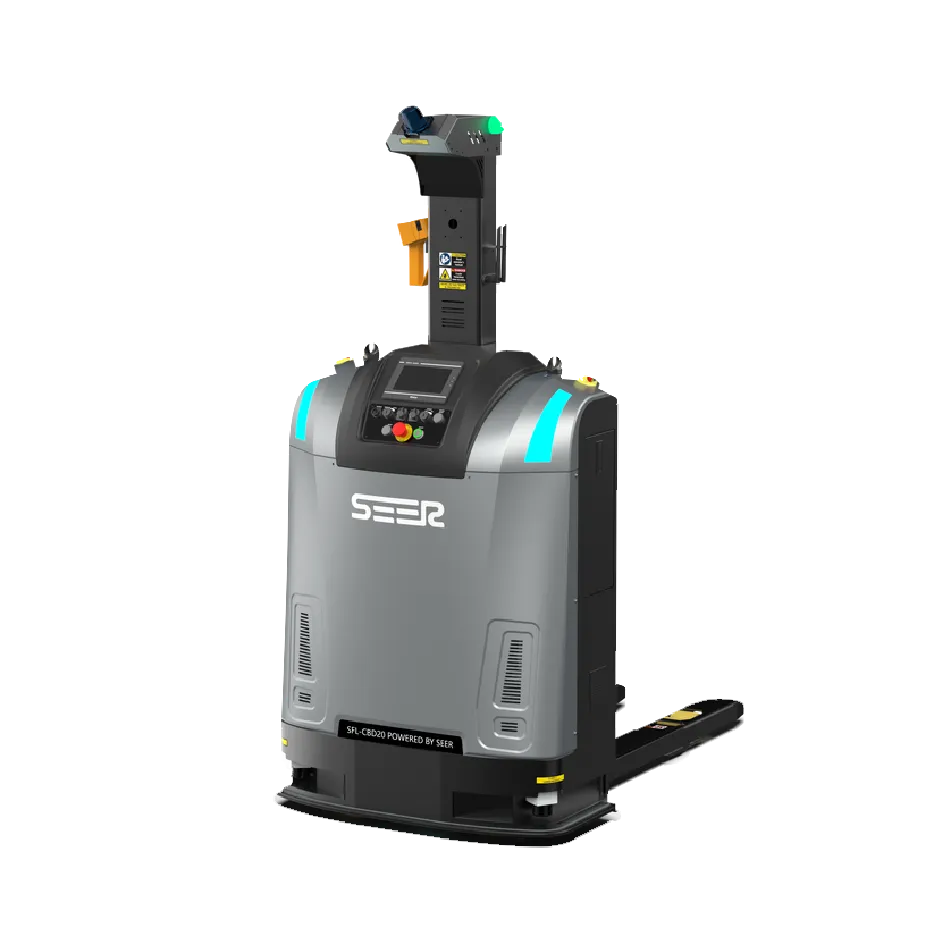
Autonomous Pallet Truck SFL-CBD20
The SFL-CBD20 boasts a robust 2-ton payload capacity and integrates an industrial-grade safety lidar for all-weather, stable operation. Mainly used in auto parts handling, heavy industry raw material turnover, and logistics distribution centers.
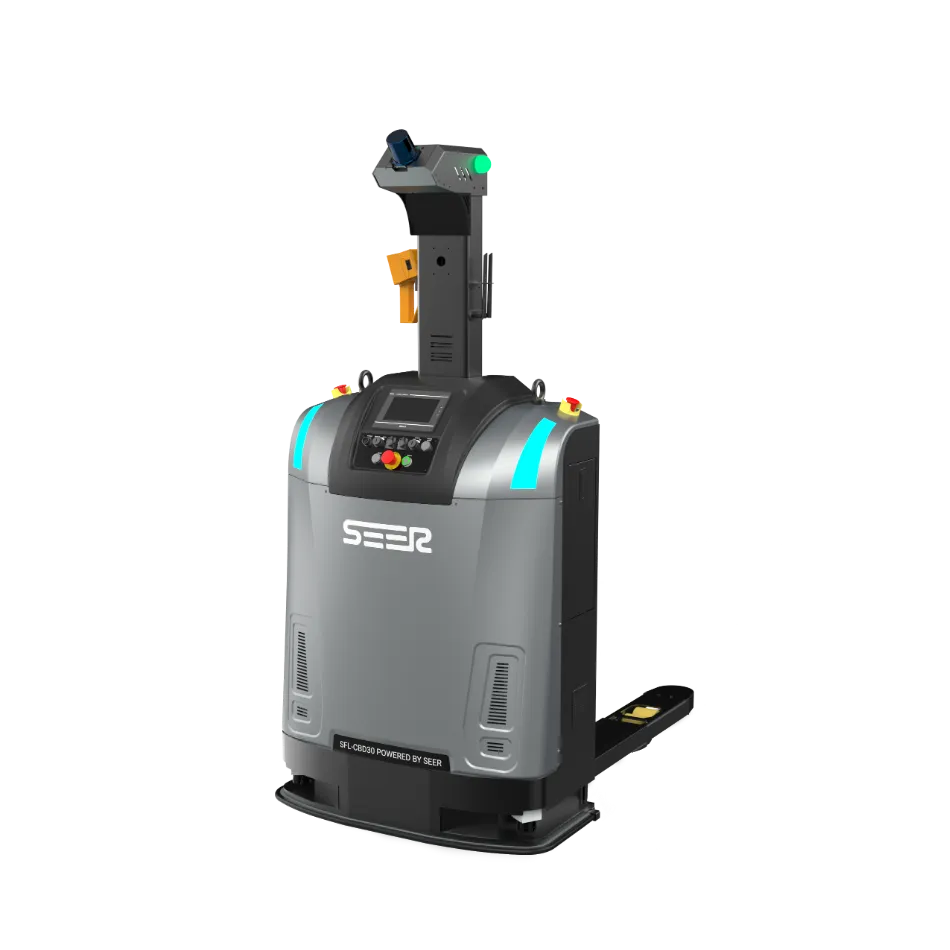
Autonomous Pallet Truck SFL-CBD30
Designed for heavy-duty scenarios, the SFL-CBD30 supports multi-machine collaborative scheduling and automatic charging, significantly improving the efficiency of long-distance heavy load handling. Mainly used in machinery manufacturing and processing, new energy battery factories, and chemical pallet logistics.
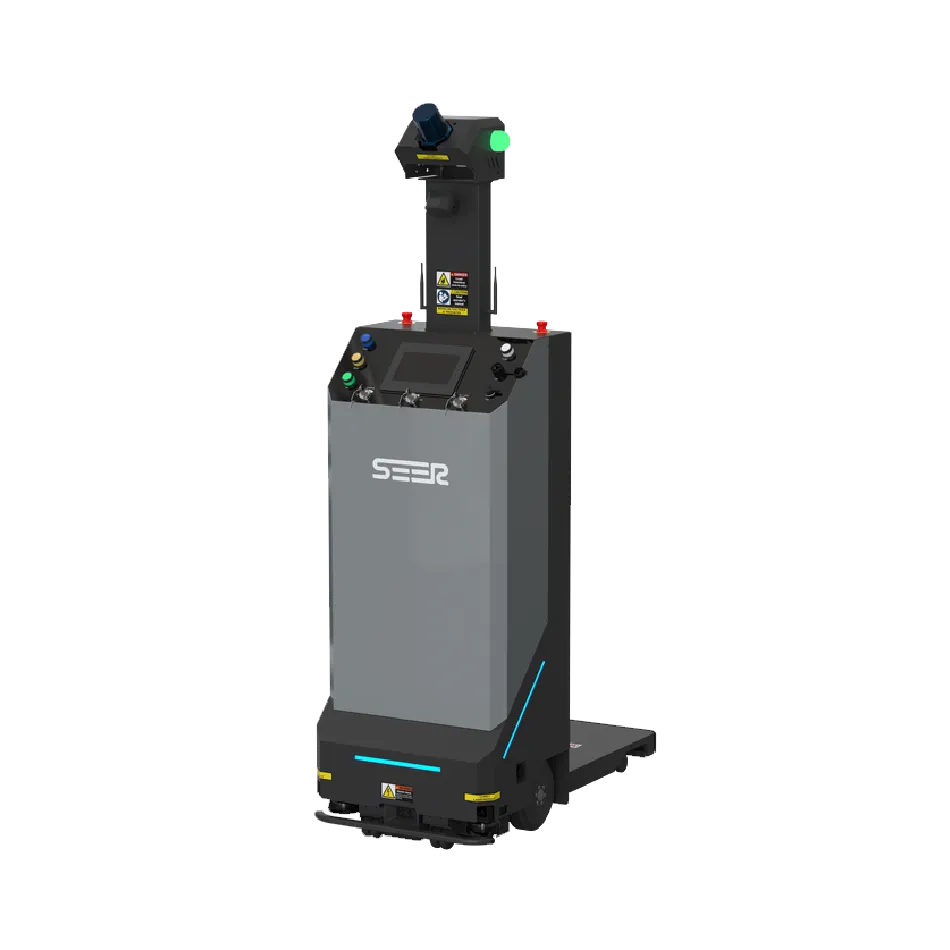
SEER OneFork 300 SOF-300EU
The SOF-300EU is compatible with European standard pallets and uses a compact embodied intelligent architecture with excellent path planning and perception capabilities. Mainly used in European standard warehousing, fast-moving consumer goods distribution, and automated production line docking.
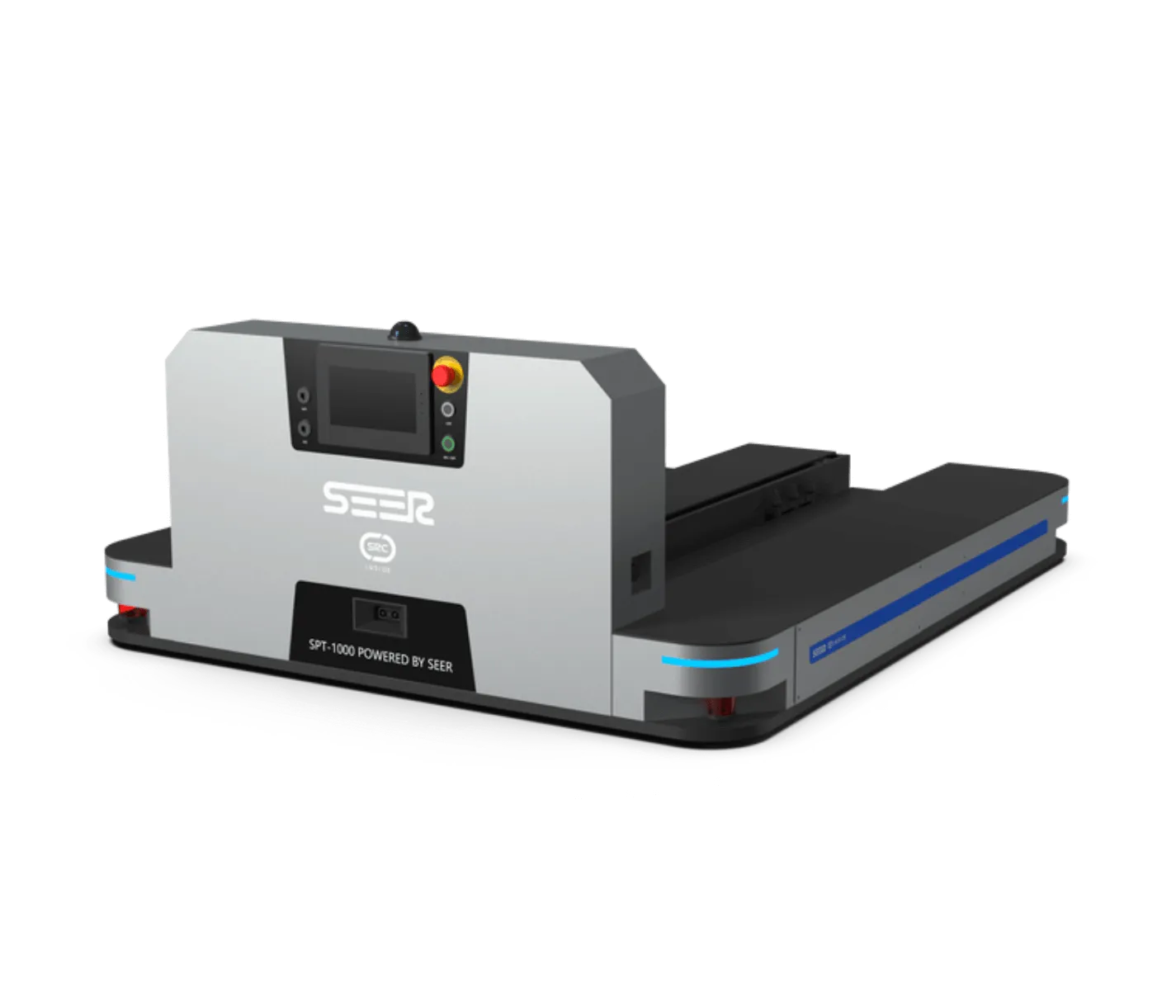
SEER PalletTruck 1000 SPT-1000
The SPT-1000 combines high-reliability drive and precise positioning technology to support flexible, unmanned handling of 1 ton of materials. Mainly used in the textile industry, food processing workshops, and general industrial automated warehousing.
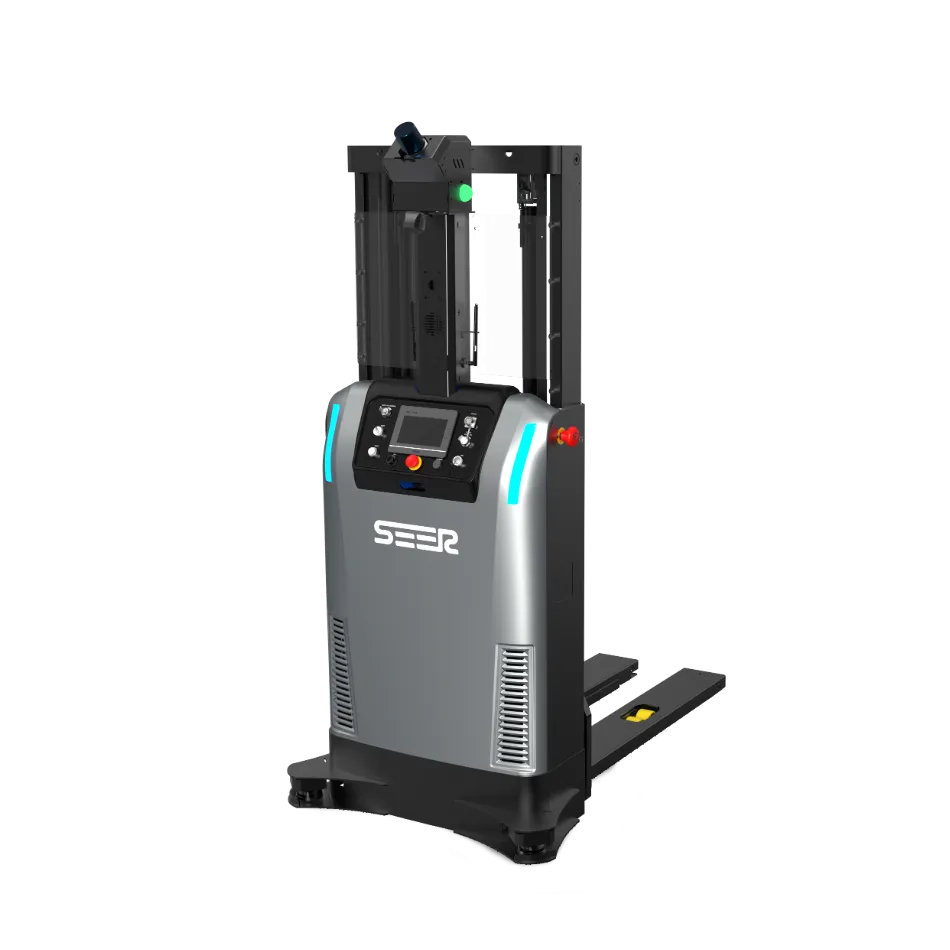
Small Stacker Autonomous Forklift SFL-CDD14
It has a 1.4T load and laser SLAM navigation, with an accuracy of ± 10mm and a very small turning radius, supporting 360 three-dimensional protection. Mainly used in narrow channel storage, high stacking, factory automation handling and cross-border logistics.
Empty pallet robots
High-precision visually assisted positioning
Using 3D vision sensors and AI algorithms, the robot can identify deformed or offset trays in real time. Even if the pallet position deviates by 10cm, the system can automatically adjust the fork path, ensuring a 100% one-time pickup success rate and avoiding equipment downtime caused by collisions.
Full-scenario 360° safety protection
Integrated dual lidar and ultrasonic obstacle avoidance to achieve full-range dynamic detection. When an obstacle is detected at 5 cm, the system response time is less than 0.1 seconds, and shutdown is enforced through a safety-level certified controller to ensure zero-accident operation in a human-machine collaborative environment.
Minimal deployment and efficient environmental modeling
Using state-of-the-art SLAM navigation technology, single-machine modeling speeds can reach 5,000 square meters per hour. Instead of laying magnetic strips or pasting QR codes on the ground, users can complete the deployment process from out-of-box to fully automatic operation in just 24 hours, greatly reducing system integration costs.
Multi-machine collaborative scheduling algorithm
Based on the independently developed scheduling system, it supports concurrent operations of more than 100 robots in a single field. The system can dynamically plan the global optimal path based on real-time congestion conditions, improving handling efficiency by more than 35% compared to traditional single-machine operations.
Narrow tunnel ultimate capacity
Designed for dense warehousing, the vehicle features an ultra-compact body and an extremely small turning radius. By optimizing the structural configuration, the robot can operate smoothly in narrow tunnels with minimal clearance around the vehicle body, helping the warehouse significantly increase its cargo storage capacity.
Embodied Intelligence Self-Learning Ability
A built-in controller with integrated embodied intelligence can continuously optimize the handling posture through job data. After 3 months of system operation, by learning common pallet placement habits, the predictive scheduling success rate can be significantly improved, further reducing ineffective waiting time.
Empty pallet robots Applicable population
 Contact Us