Amr Material Handling FAQ
Q: What is the practical effect of omnidirectional movement on material handling?
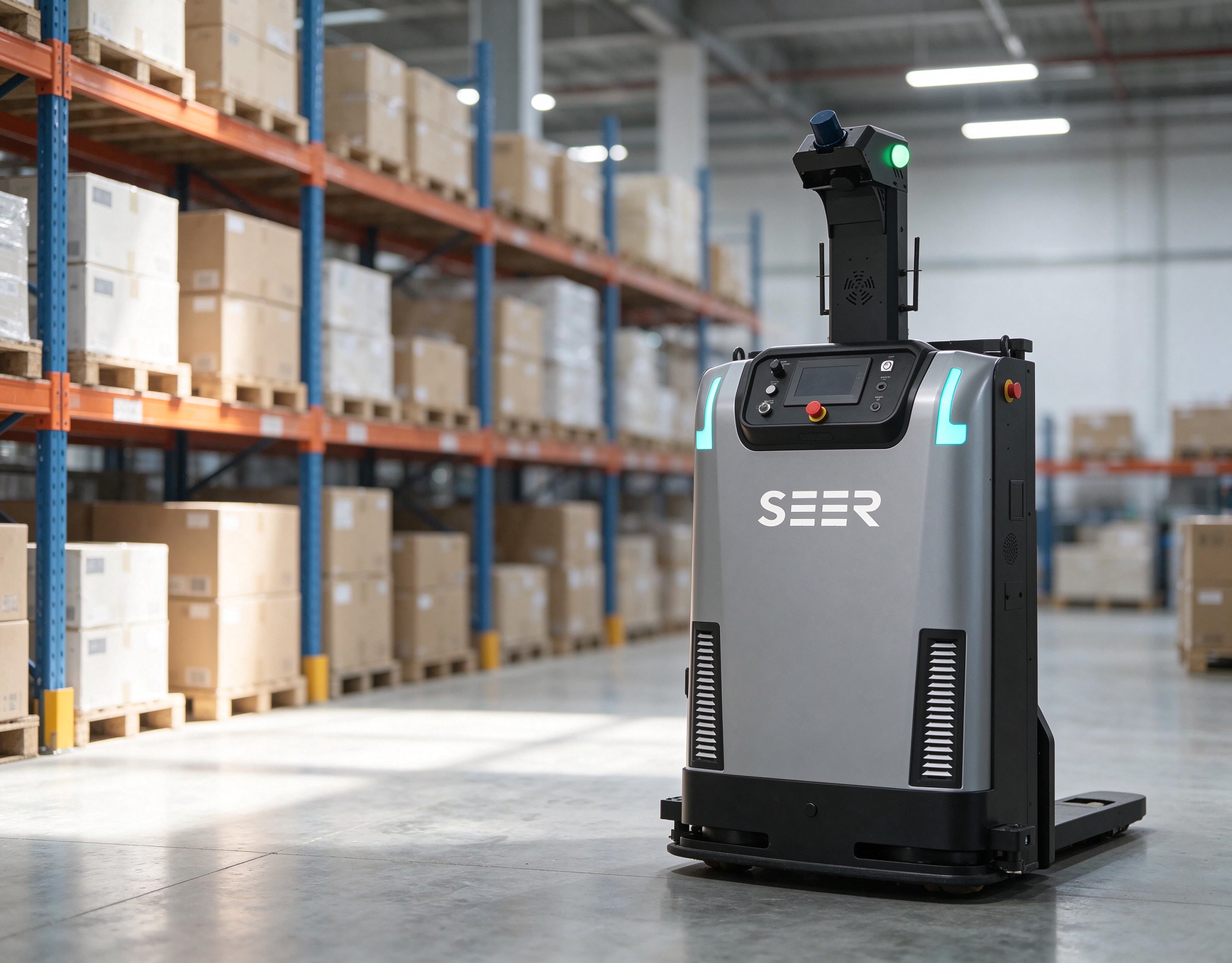
A: The SOS-1000 can move sideways, obliquely and along an arc. When the station is unable to approach the front, or the body is inconvenient to adjust the direction through conventional turning, different movement methods can be used to plan the approach path.
Q: What is the difference between the width of the traverse channel and the width of the right-angle stacking channel?
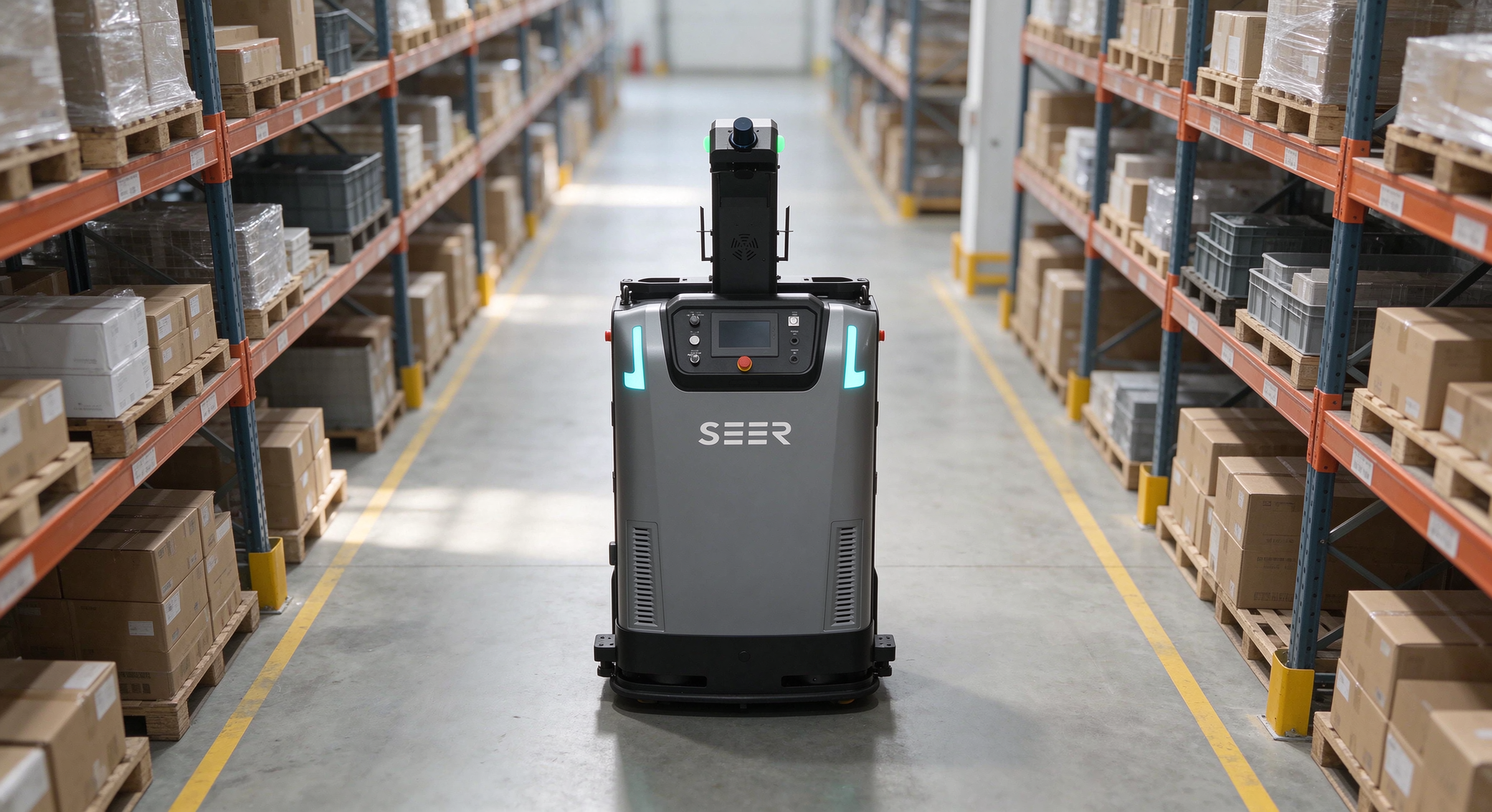
A: The transverse width describes the space required for the lateral passage of the equipment. The width of the right-angle stacking channel also involves the turning and picking and placing of pallets. The device supports 1.8 m channel traverse, but it cannot be judged that all tray operations can be completed in the same channel.
Q: How to judge whether the SOS-1000 can fit the existing tray?
A: The open pallet structure, fork hole size, fork outer width and load center should be checked. The standard fork outer width is 620/680mm, and the load center distance is 600mm. Actual pallets and goods should be used for verification before procurement.
Q: Can you undertake transportation and shelving tasks at the same time?
A: It can undertake the transportation and pick-and-place tasks that meet the load and height requirements, and the standard lifting height is 1600mm. The specific shelving position also needs to check the shelf clearance, pallet structure and site safety conditions.
Q: How to arrange charging during continuous operation?
A: The comprehensive endurance of the equipment is 10-12 h, which supports automatic and manual charging. It takes 1 h to charge 10% to 80% of the electricity. The energy supplement plan can be formulated in combination with shift, task interval and charging point location, and the actual frequency depends on the operation intensity.
Q: If there are small obstacles or potholes in the ground, what configuration should be selected?
A: The optional front-facing 3D camera can be evaluated to increase the ability to detect small obstacles and potholes. The standard configuration includes 3D obstacle avoidance, 360 ° laser protection and anti-collision strips. The specific scheme needs to be combined with obstacle size and field environment verification.