
DATE: 2026/05/07
Automated Guided Robots Premium Quality Guaranteed
Automated Guided Robots Premium Quality Guaranteed
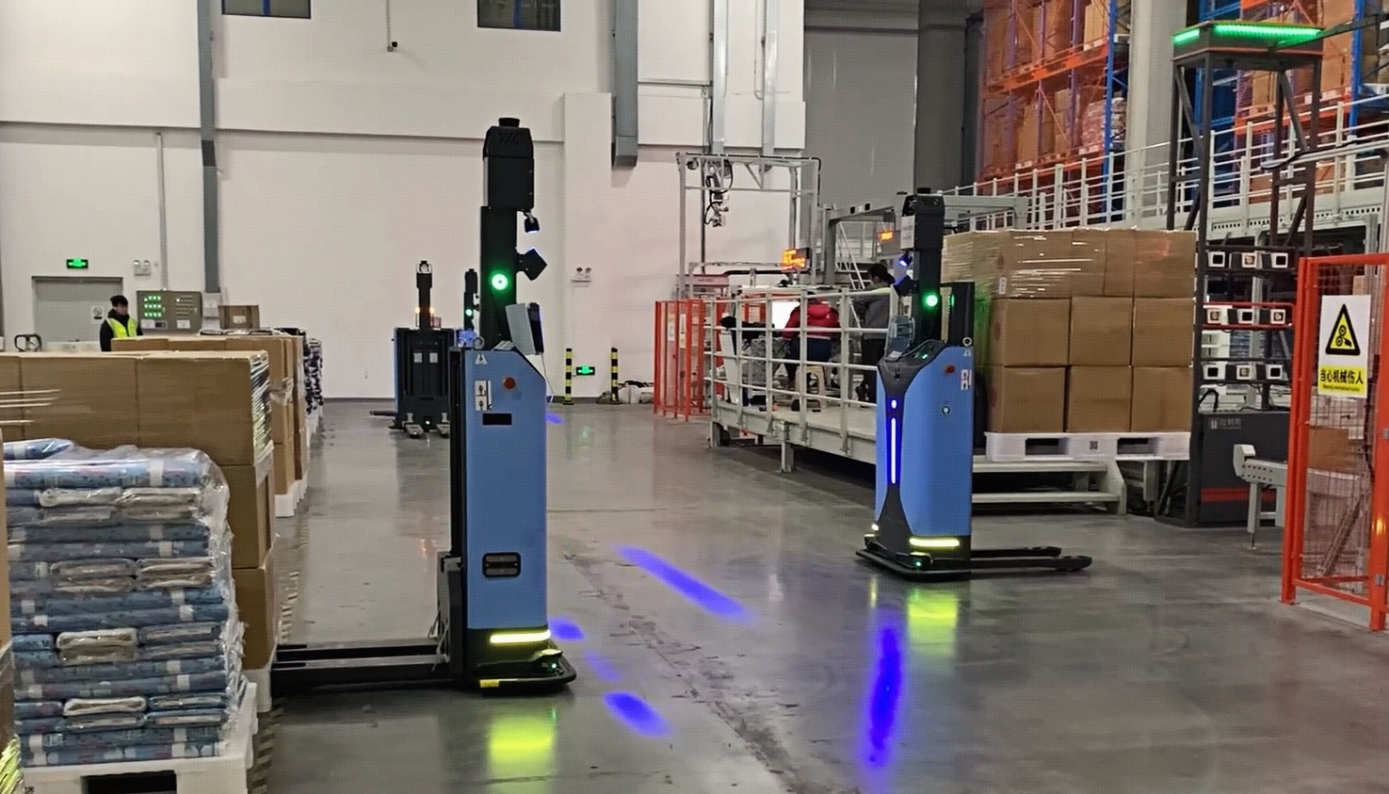
SEER Robotics’ automated guided vehicle (AGV) product line is centered around its self-developed SRC series controllers and is positioned as a world-leading solution for industrial logistics automation. The product’s basic architecture comprises a high-performance SRC controller, a high-precision sensor suite, and a modular chassis. It achieves trackless autonomous navigation using LiDAR-based SLAM technology. The product portfolio encompasses not only the AMB series of material-handling platforms but also intelligent forklifts and collaborative robots, aiming to provide highly flexible logistics infrastructure for manufacturers worldwide. In terms of core technology, this series of robots supports high-precision repeated positioning accuracy., and the maximum driving speed can reach 2 m/s, ensuring accuracy and efficiency in a high-intensity production environment. Through the Roboshop of one-stop implementation tools and RDS robot management system, the product realizes efficient coordination from map construction to multi-machine scheduling for thousands of units. This design advantage not only reduces the economic investment of on-site environmental transformation but also brings significant long-term economic benefits to enterprises by improving space utilization and reducing manual handling errors.
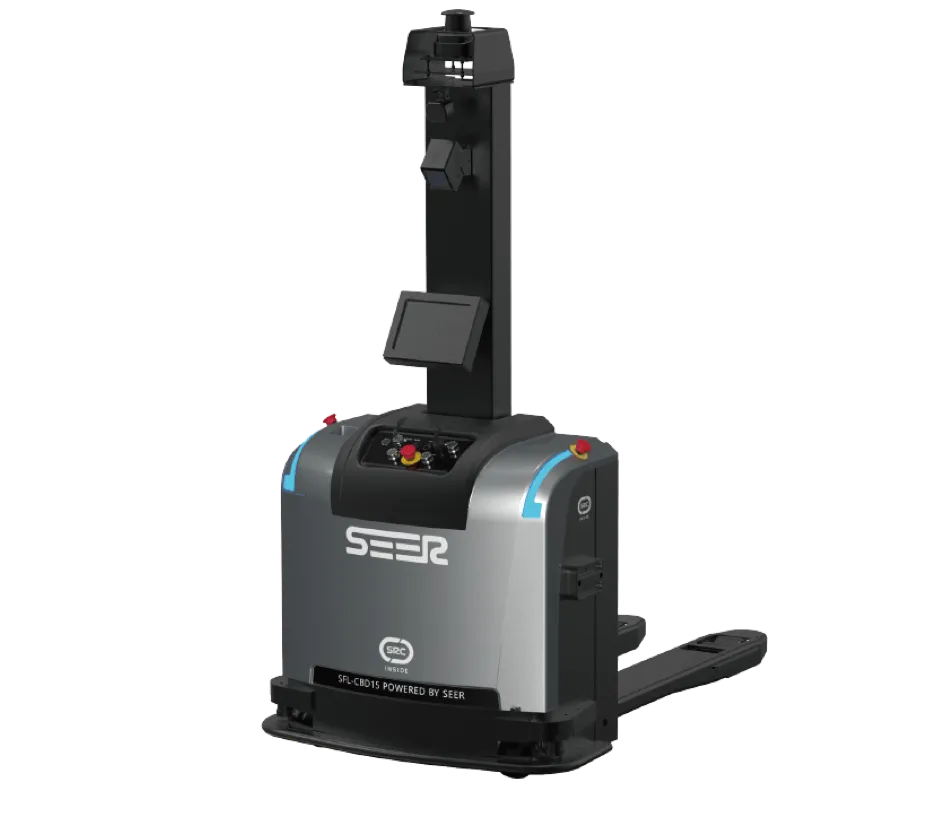
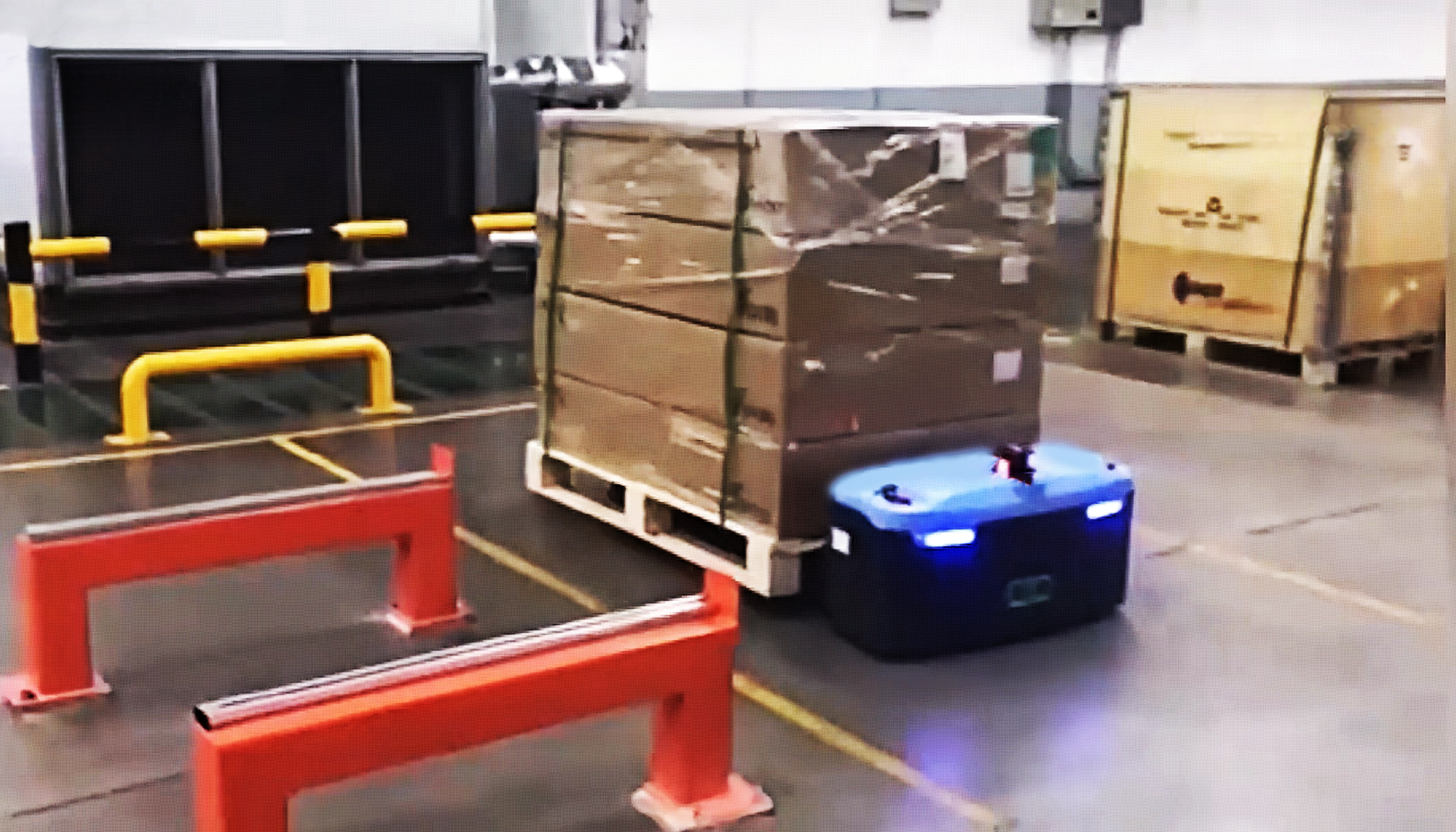
Autonomous Pallet Truck SFL-CBD15
The SFL-CBD15 has a 932 mm narrow body and a 1.5 T load, supports laser SLAM navigation and 360° omnidirectional protection, and travels at a speed of 2 m/s. Mainly used in narrow lane handling, 3C electronic workshop, and line-side material distribution.
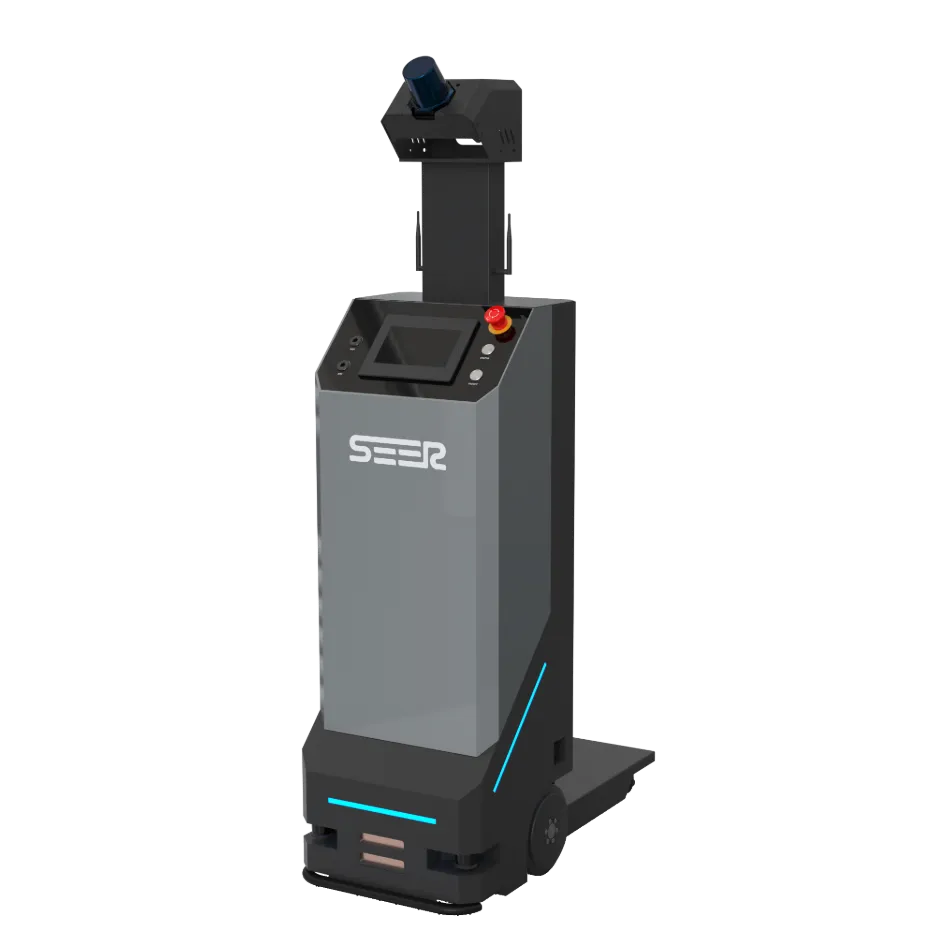
Single Fork Autonomous Forklift SFL-300L
The SFL-300L vehicle is only 400 mm wide and has a turning radius of 600 mm, supporting AI pallet identification and millimeter positioning accuracy, with a speed of 1.4 m/s. Mainly used in extremely narrow channel handling, precision machining workshops, and material car turnover.
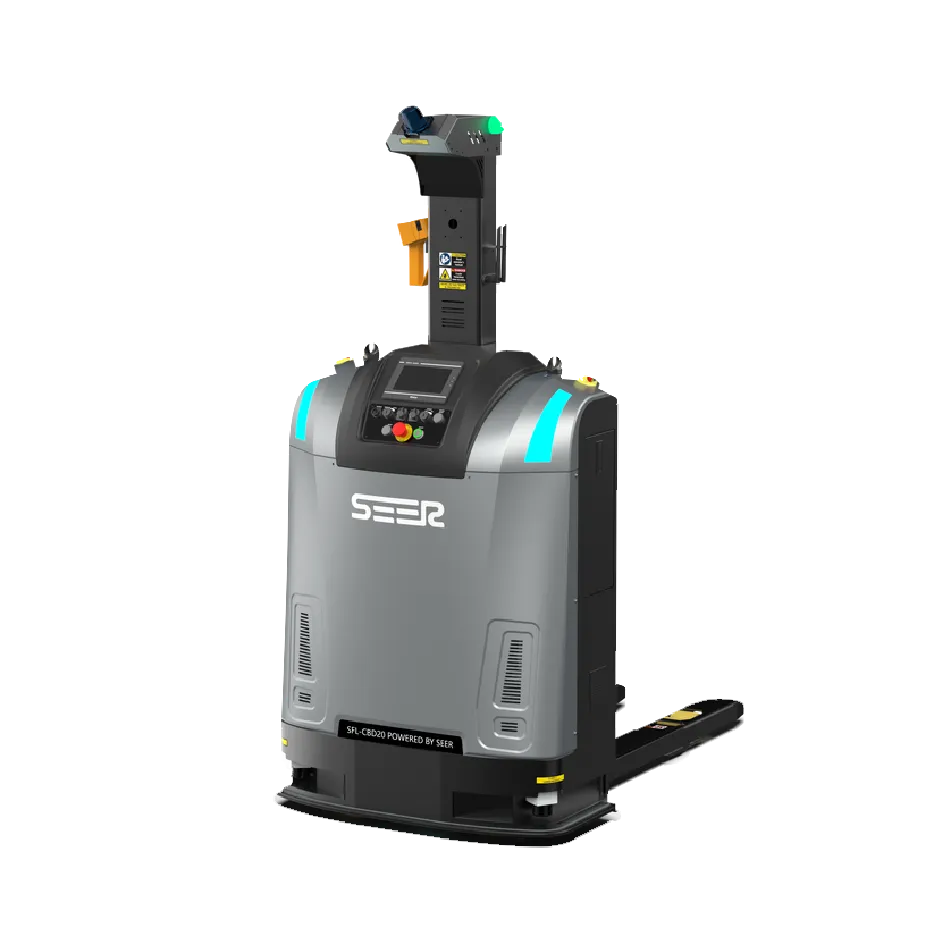
Autonomous Pallet Truck SFL-CBD20
The SFL-CBD20 has a 2T load and AI tray identification function, supports 10 mm positioning accuracy and 10 h long endurance, and has a speed of 1.66 m/s. Mainly used in heavy pallet turnover, factory cross-workshop handling, and e-commerce warehousing logistics.
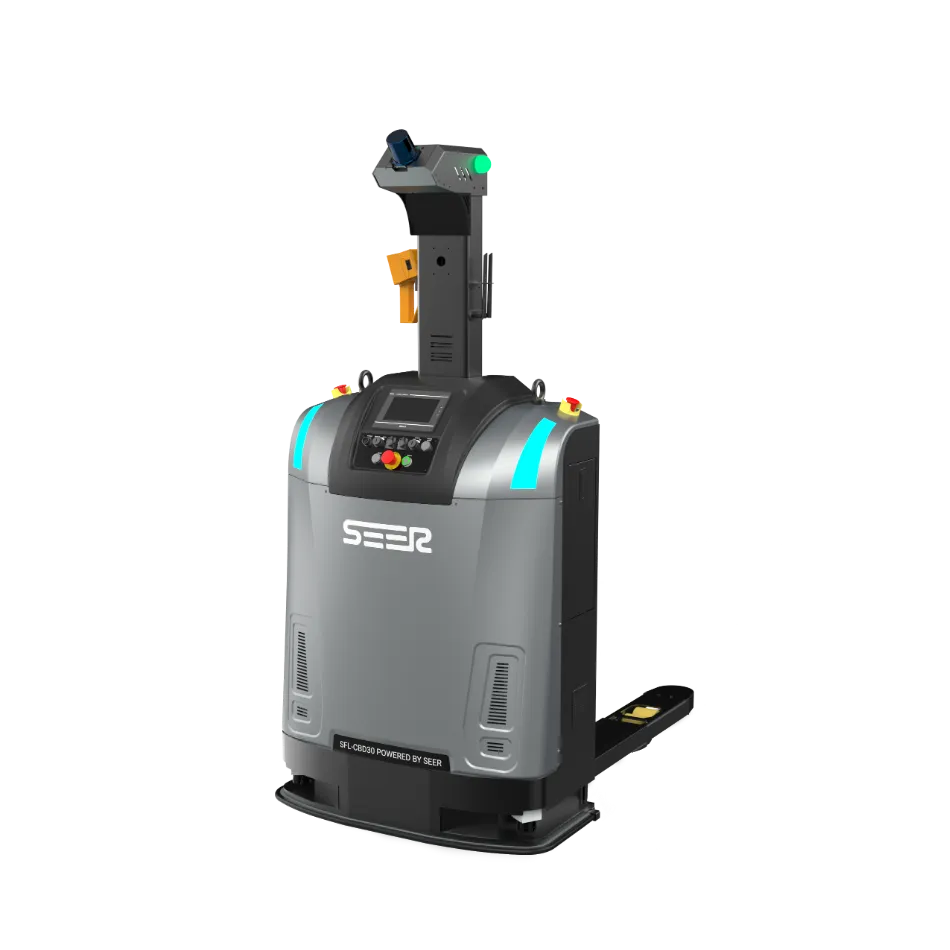
Autonomous Pallet Truck SFL-CBD30
SFL-CBD30 supports 3T ultra-heavy handling and adaptive identification of pallets of various specifications, integrates 4-layer safety protection and high-stability chassis, and has a speed of 1.66 m/s. Mainly used in heavy manufacturing, raw material warehousing, and finished goods outbound transshipment.
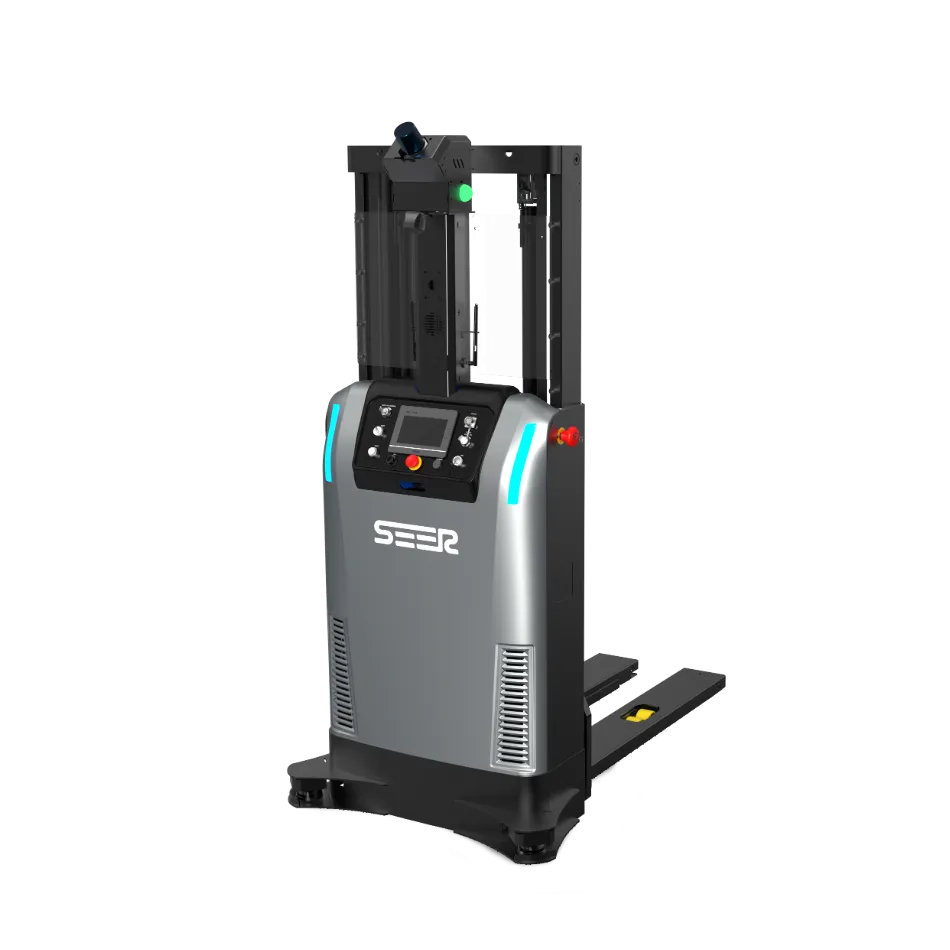
Small Stacker Autonomous Forklift SFL-CDD14
The SFL-CDD14 is specially designed for stacking in narrow lanes, with a 1.4T load and ± 10 mm navigation accuracy, supporting 360° stereo protection and a speed of 1.5 m/s. Mainly used in three-dimensional warehouse docking, high access, and automated production line connection.
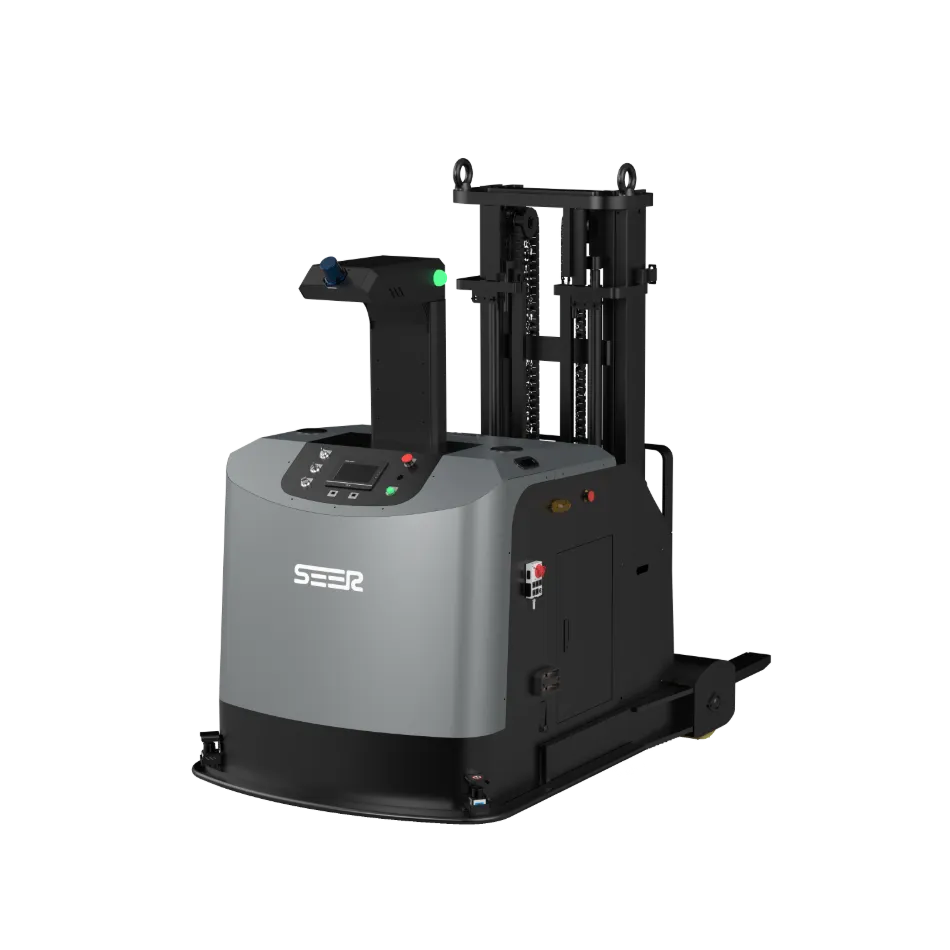
Counterbalanced Autonomous Forklift SFL-CPD30-Y
SFL-CPD30-Y loads up to 3T and supports safe stacking of soft package goods, integrated AI deep learning recognition, and 10h long endurance, with a speed up to 1.5 m/s. Mainly used in chemical raw material stacking, terminal heavy cargo turnover, and cross-process material convergence.
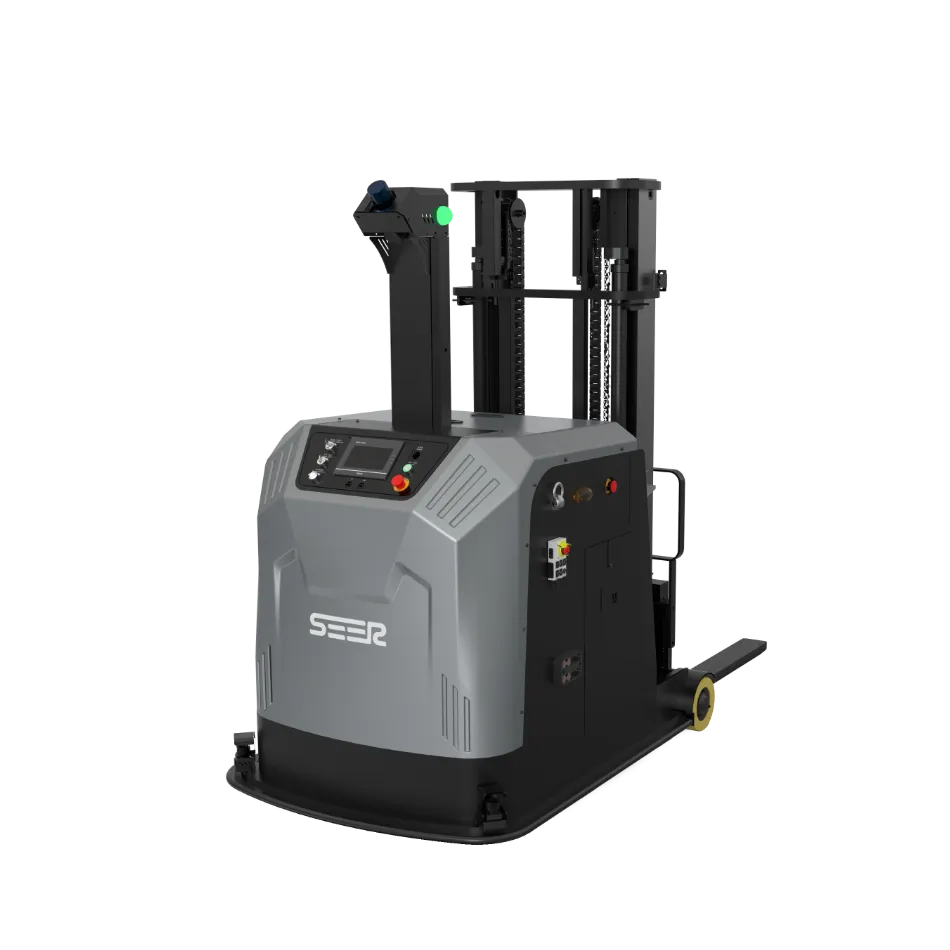
Counterbalanced Autonomous Forklift SFL-CPD20-Y
the SFL-CPD20-Y adopts a legless balance weight design and ultrasonic cargo separation detection, supports manual/automatic dual mode and a 2T load, and has a driving speed that reaches 1.5 m/s. Mainly used in auto parts production, multi-vehicle handling, and heavy machinery assembly.
Automated guided robot characteristics
SRC series core controller
As the “brain” of the robot, the controller supports a variety of motion models such as differential speed, steering wheel, and McNamee wheel. It realizes the unified management of robot hand, eye, and body; simplifies the development process of complex models; and greatly improves the stability of the system under high-load operation.
Laser SLAM trackless navigation
using an advanced laser SLAM algorithm, there is no need to lay a magnetic strip or reflector on the ground, and it does not change the existing production environment. The system supports high-precision repeated positioning accuracy, enabling the robot to achieve autonomous path planning and precise docking in complex and changeable dynamic environments.
2 m/s high efficiency operation speed
in the case of no load and full load, the robot's maximum speed can be stable at 2 m/s. Combined with the intelligent path optimization algorithm, this performance can significantly shorten the material turnaround time and ensure that the automated production line still maintains a very high logistics throughput under the high-intensity rhythm.
Multi-sensor fusion security protection
The equipment integrates dual laser radar, visual obstacle detection, and a safe touch edge to provide all-round protection. The system can identify personnel in real time and automatically perform obstacle avoidance actions. While ensuring the safety of human-machine cooperation, it minimizes unnecessary downtime caused by environmental interference.
RDS 1000-level unified scheduling
The RDS robot management system supports the same field scheduling of more than 1000 robots of different types. Through the seamless docking of the enterprise’s management system, it solves the problem of cross-regional and cross-process cargo turnover and realizes the full-link digitalization and transparent management of the factory logistics chain.
Roboshop rapid implementation and deployment
relying on one-stop implementation tools, users can complete the whole process from map construction to logic arrangement through low-code operations. This efficient tool chain can shorten the project deployment cycle to several days, allowing buyers to quickly bring automation equipment online and flexibly respond to capacity adjustments.
automated guided robots for people
 Contact Us