
DATE: 2026/08/18
SEER Robotics Strengthens Embodied AI R&D as Qin Tong, SJTU Associate Professor and Huawei "Top Minds" Recruit, Comes on Board
If Qin Tong and his team have long explored how robots understand the world, SEER Robotics has, over the years, accumulated expertise in the complementary question of how robots can enter the real world and accomplish practical tasks.
Over the past few years, with the robot brain at its core, SEER Robotics has continued to build the underlying capabilities of robots by combining real-robot data, an open platform, diverse robot form factors, and genuine industrial applications.
In real-world industrial and commercial settings, robots must contend with constantly changing people, objects, spaces, and tasks. The data generated by large numbers of real-robot deployments, together with long-accumulated scenario expertise, has therefore become a vital foundation for the continued evolution of robotic intelligence.
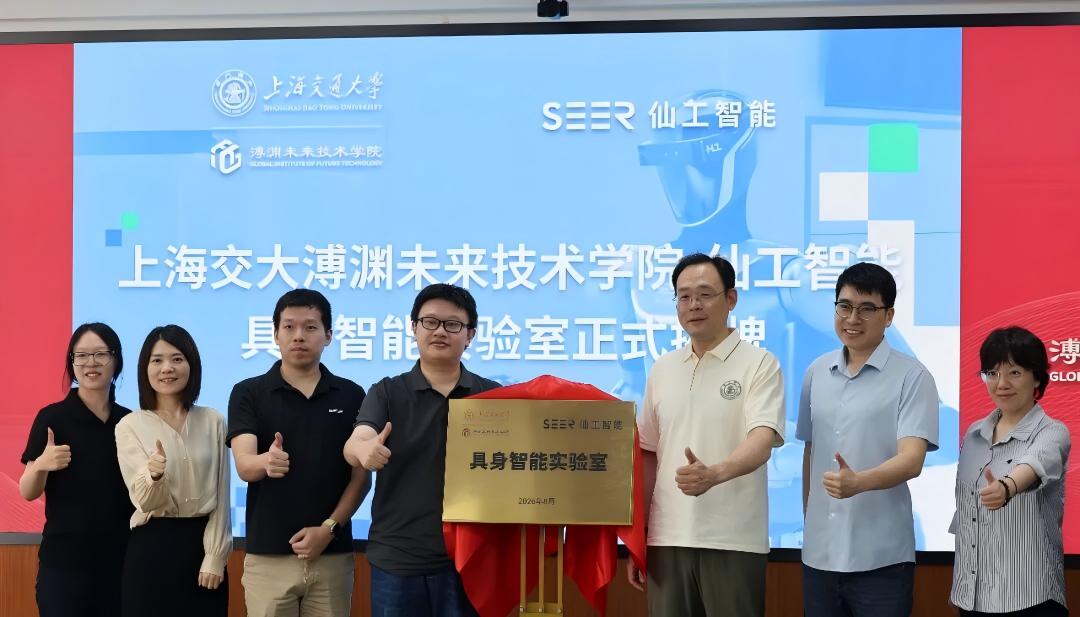
To address the key challenges embodied AI faces in progressing from perception to action, the two parties will focus their exploration on two areas.
1. Multimodal Data Modeling and Scene Understanding
Real factories and commercial environments contain multidimensional information spanning vision, space, language, and tasks. Enabling robots to form an effective understanding of their environment and tasks from such complex, multi-source data is an essential foundation for their evolution from executing instructions to completing tasks autonomously.
The two parties will conduct research into multimodal data modeling, representation learning, and scene understanding across a broad range of industrial and commercial environments, exploring how robots can build a more accurate and complete awareness of their surroundings.
2. World Model Training and Inference
Embodied AI demands more than simply seeing: it requires understanding the relationship between actions and the environment, as well as anticipating the outcomes that different decisions may produce.
The two parties will further explore methods for world model training and inference oriented toward robotic manipulation tasks, advancing robots from environmental perception toward task understanding, decision-making, and action.
The ultimate goal is to equip robots with a more complete intelligence loop spanning "perception–decision-making–execution–feedback."
Jointly Building an Innovation Ecosystem for Embodied AI
For embodied AI, moving from algorithms and models developed in the laboratory to robot task execution in real-world environments still requires continuous technical validation and scenario-based iteration.
This is precisely the direction the joint laboratory aims to explore: grounded in real robots and industrial scenarios for validation, it will further connect frontier research—such as intelligent perception, environmental understanding, and world models—with real tasks, exploring pathways for turning research outcomes into practical applications.
For SEER Robotics, embodied AI is evolving from competition over standalone product capabilities toward systemic capabilities built in concert by robots, data, models, and real-world scenarios.
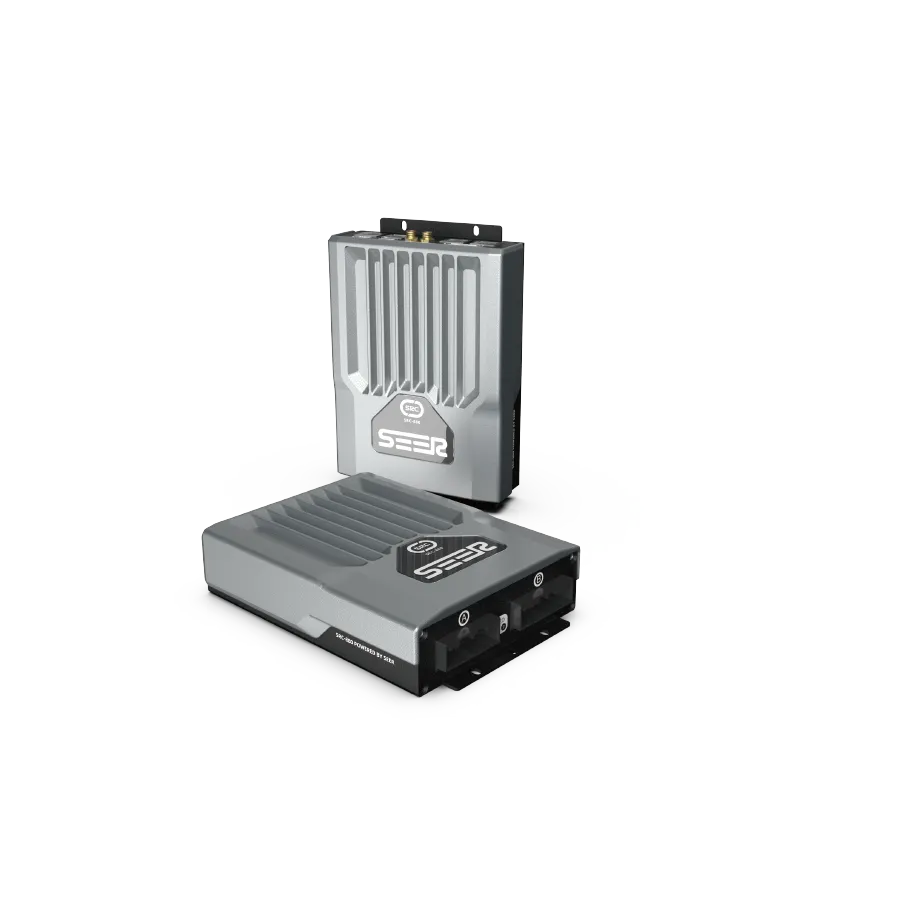
From the robot brain to the open platform and, further still, to embodied infrastructure, SEER Robotics is continuously building a capability system that connects intelligent technologies with the real world.
Helping robots better understand the world—and bringing intelligence genuinely into the real world.


/1.png?x-oss-process=image/format,webp)
/1.png?x-oss-process=image/format,webp)
 Contact Us